Fast Lead Times

Low Voltage Dry-Type Transformers

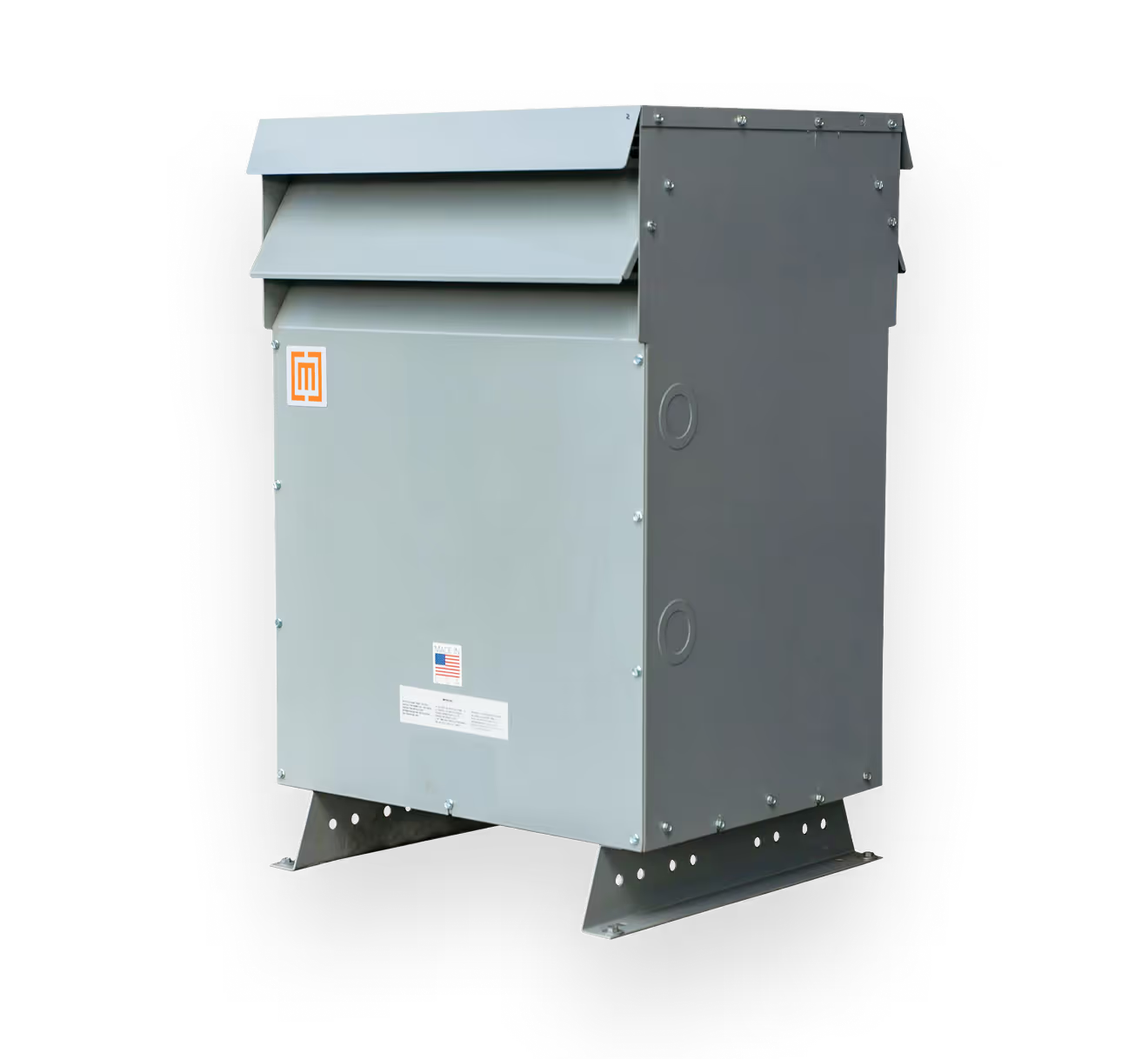
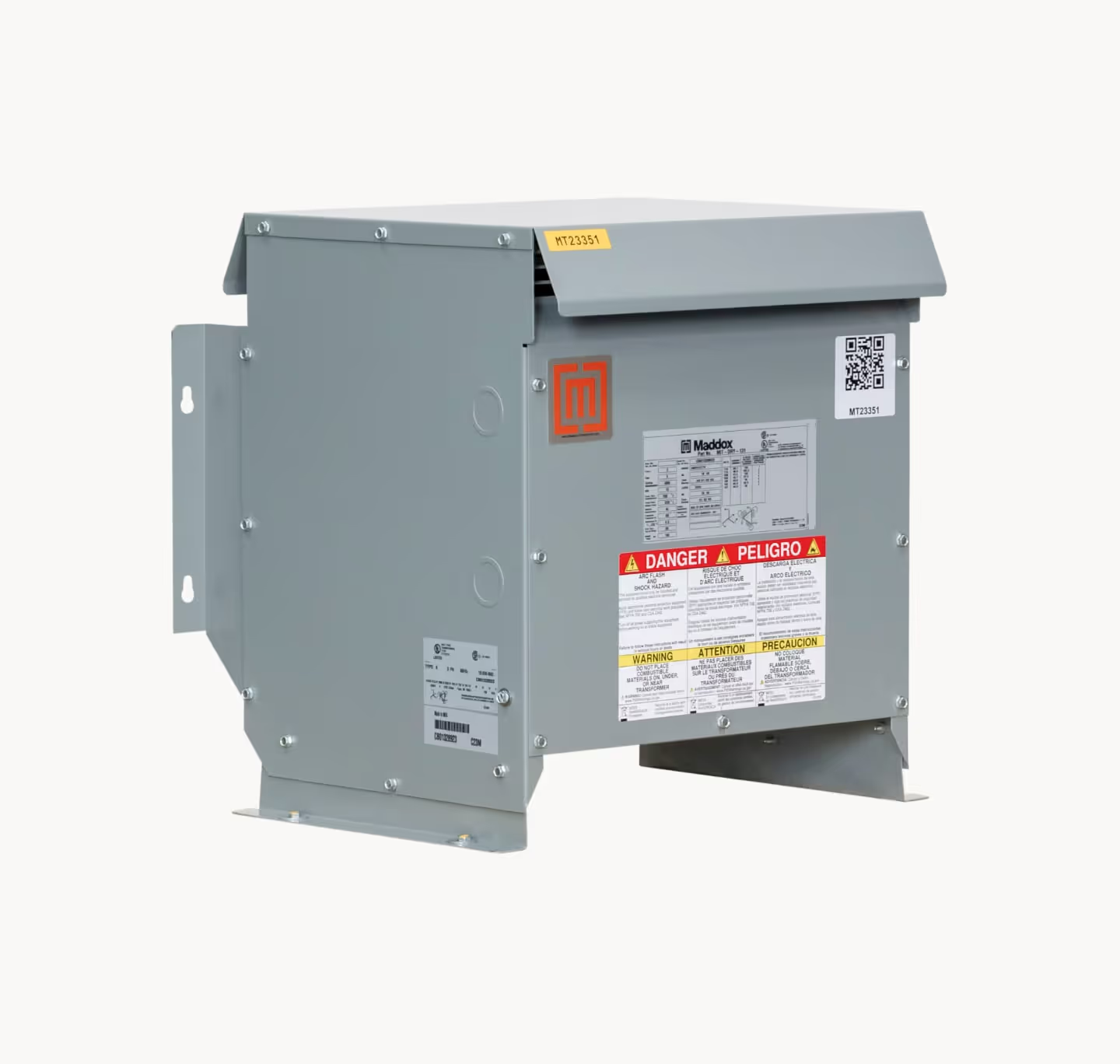
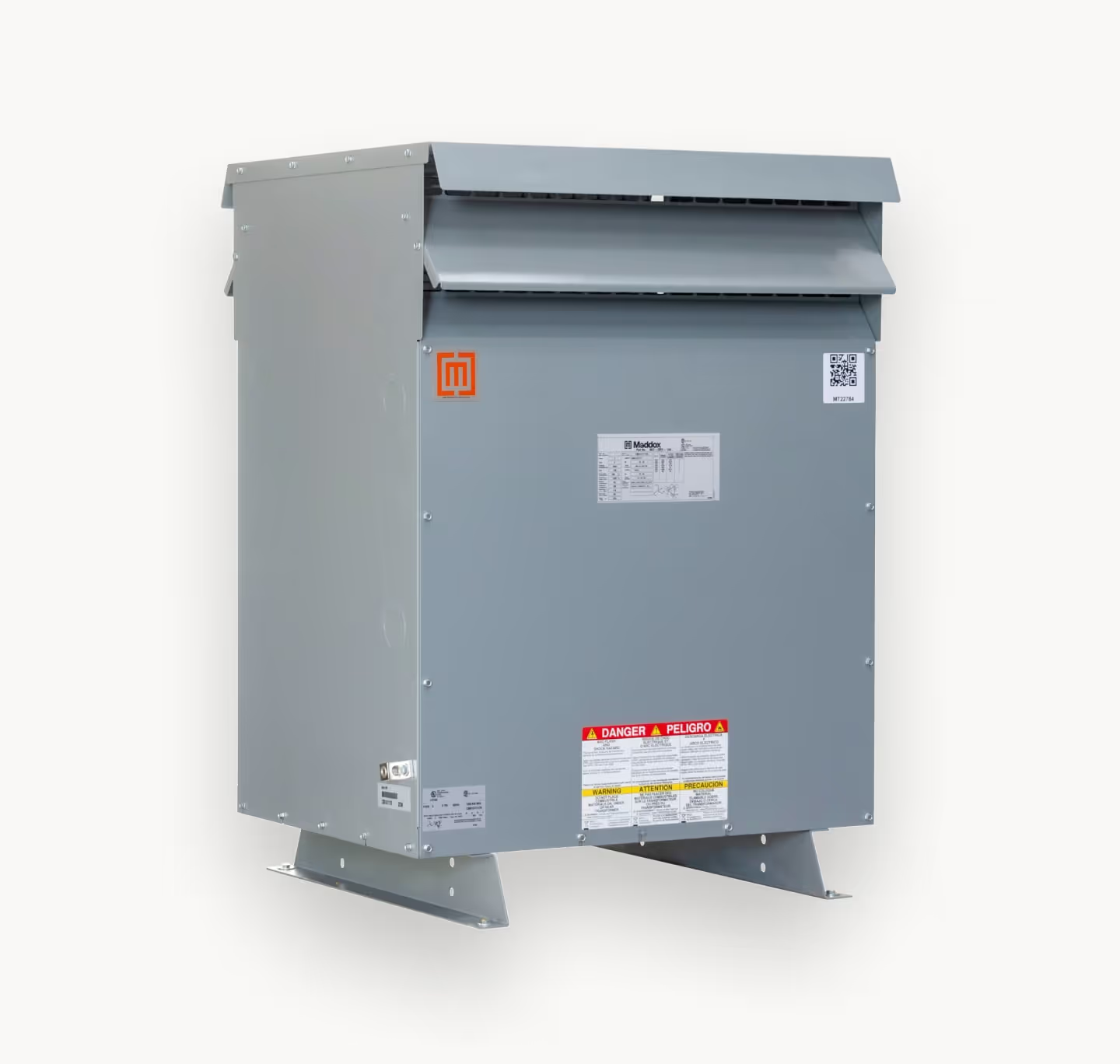
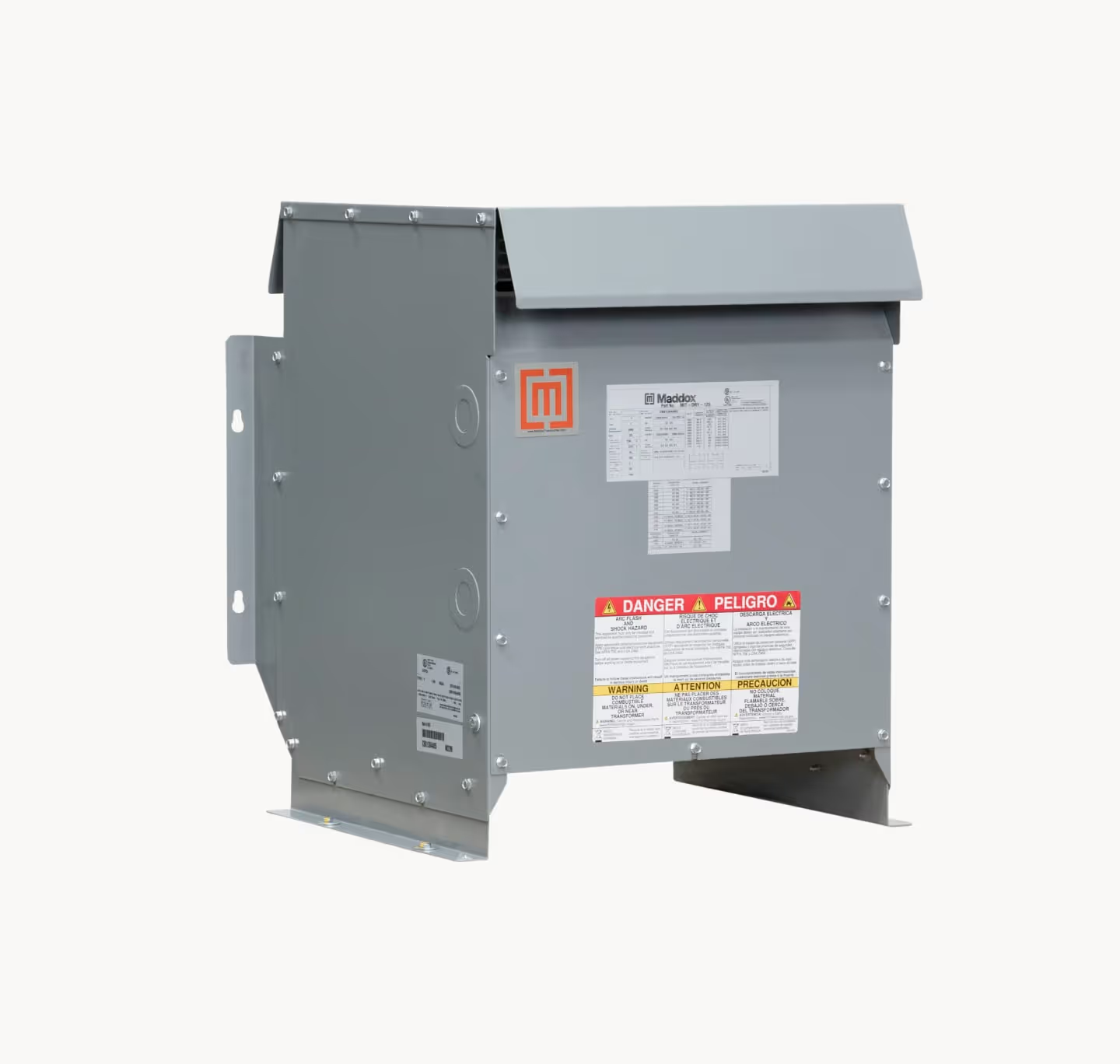
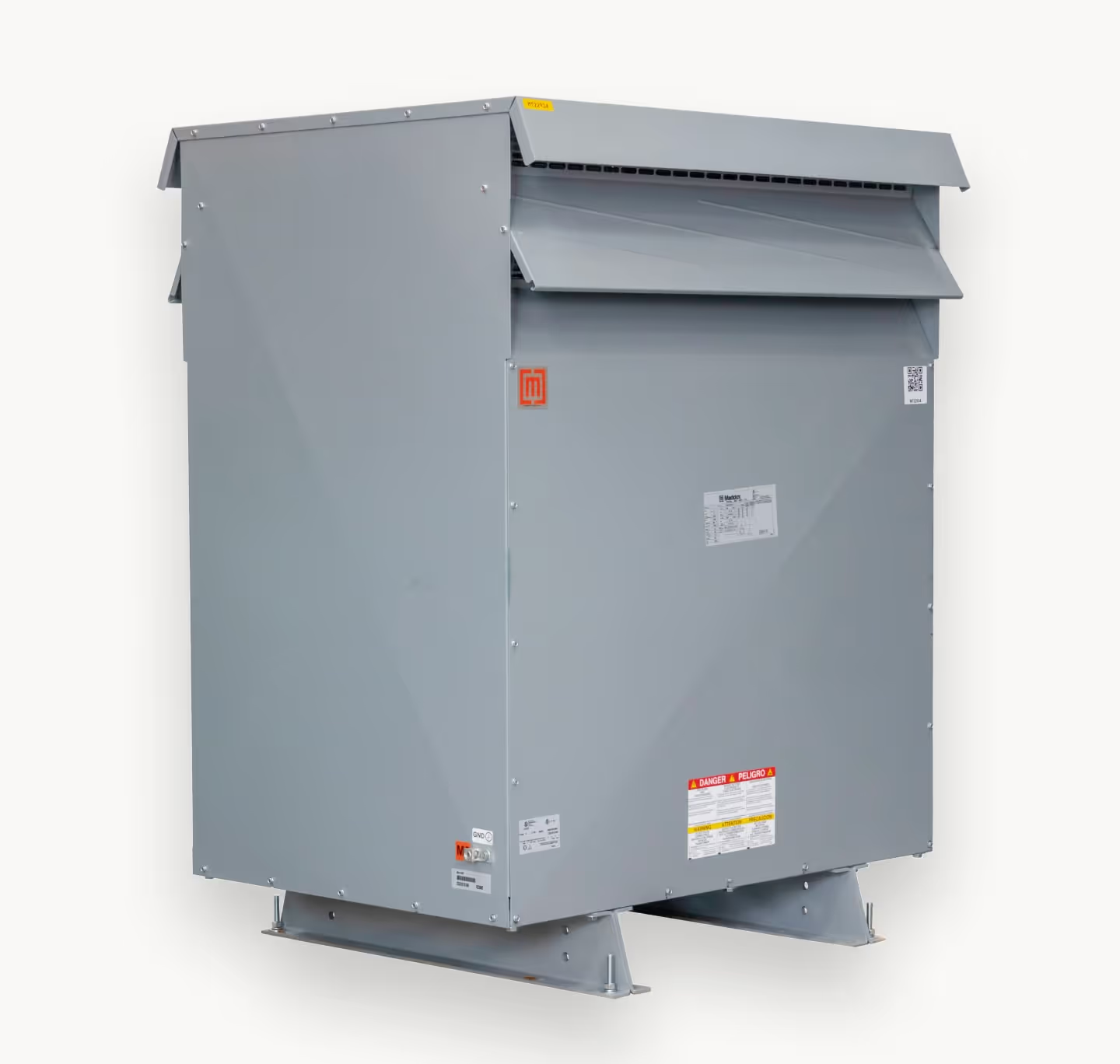
Power your next project in record time with reliable air-cooled low voltage transformers from Maddox (5–1000 kVA, up to 800v).

Stock and custom-made units
30 day returns
5 year warranty
Shop Now
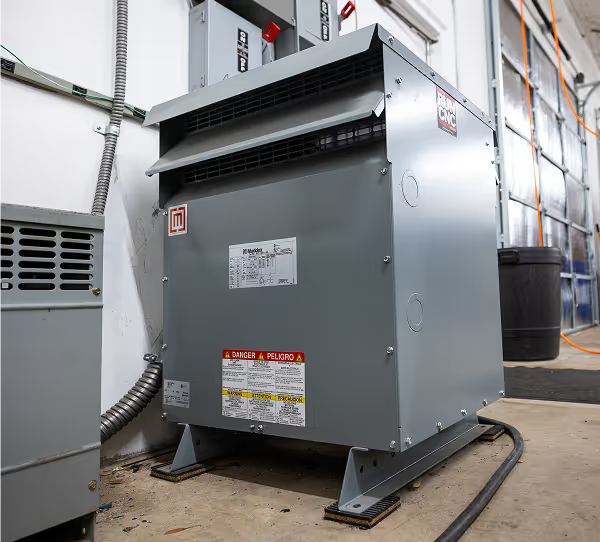
A maddox low voltage dry-type transformer

Dry-Type Transformers Built For Your Projects

Maddox dry-type transformers are designed, built, and tested in accordance with the highest industry standards including NEMA, ANSI, C.57, DOE, and IEEE as applicable. Whether your low voltage power need is indoors or outdoors, Maddox specializes in dry-type transformers that can be customized for both step-up and step-down power distribution.

Transformer Specifications

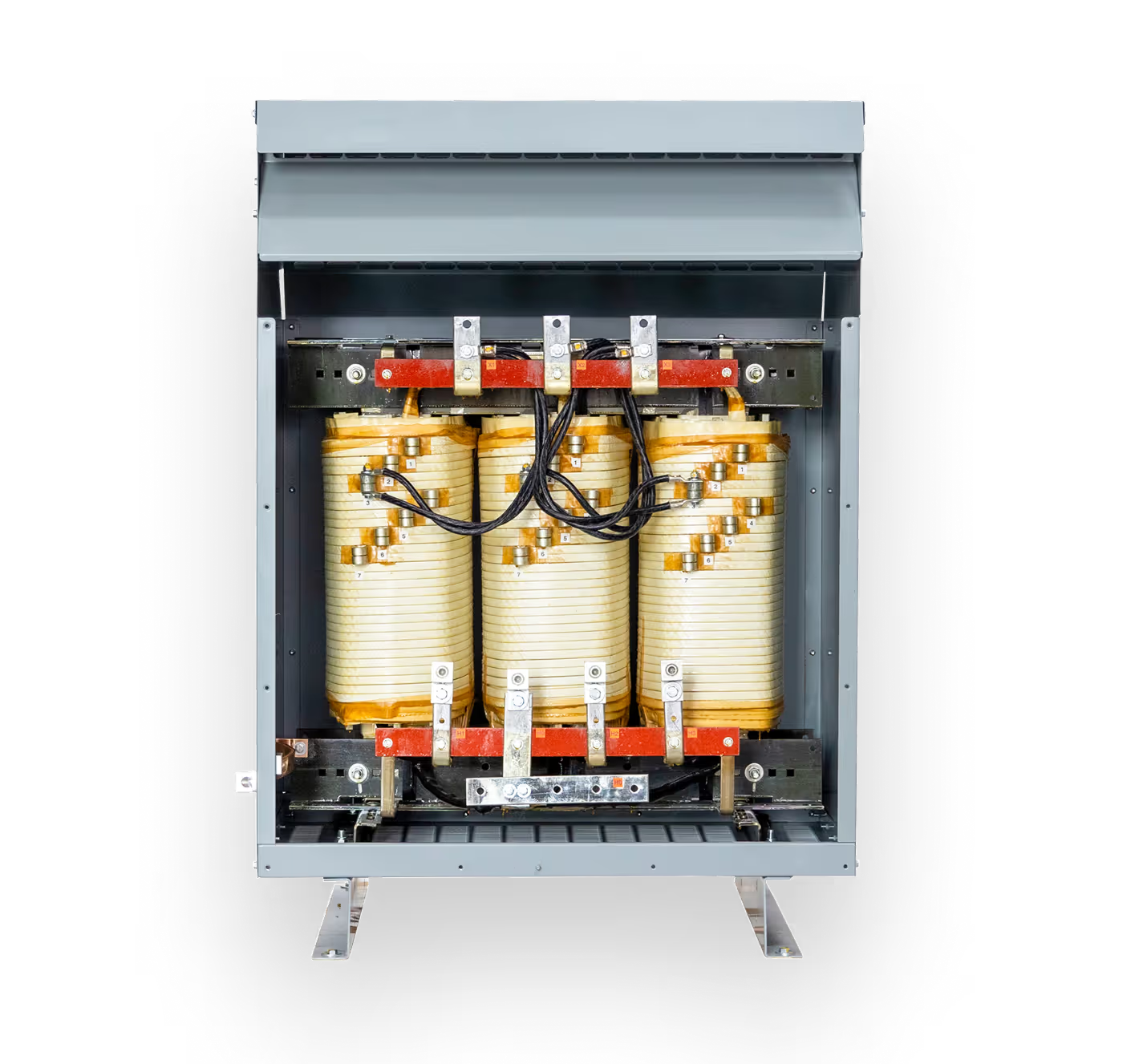
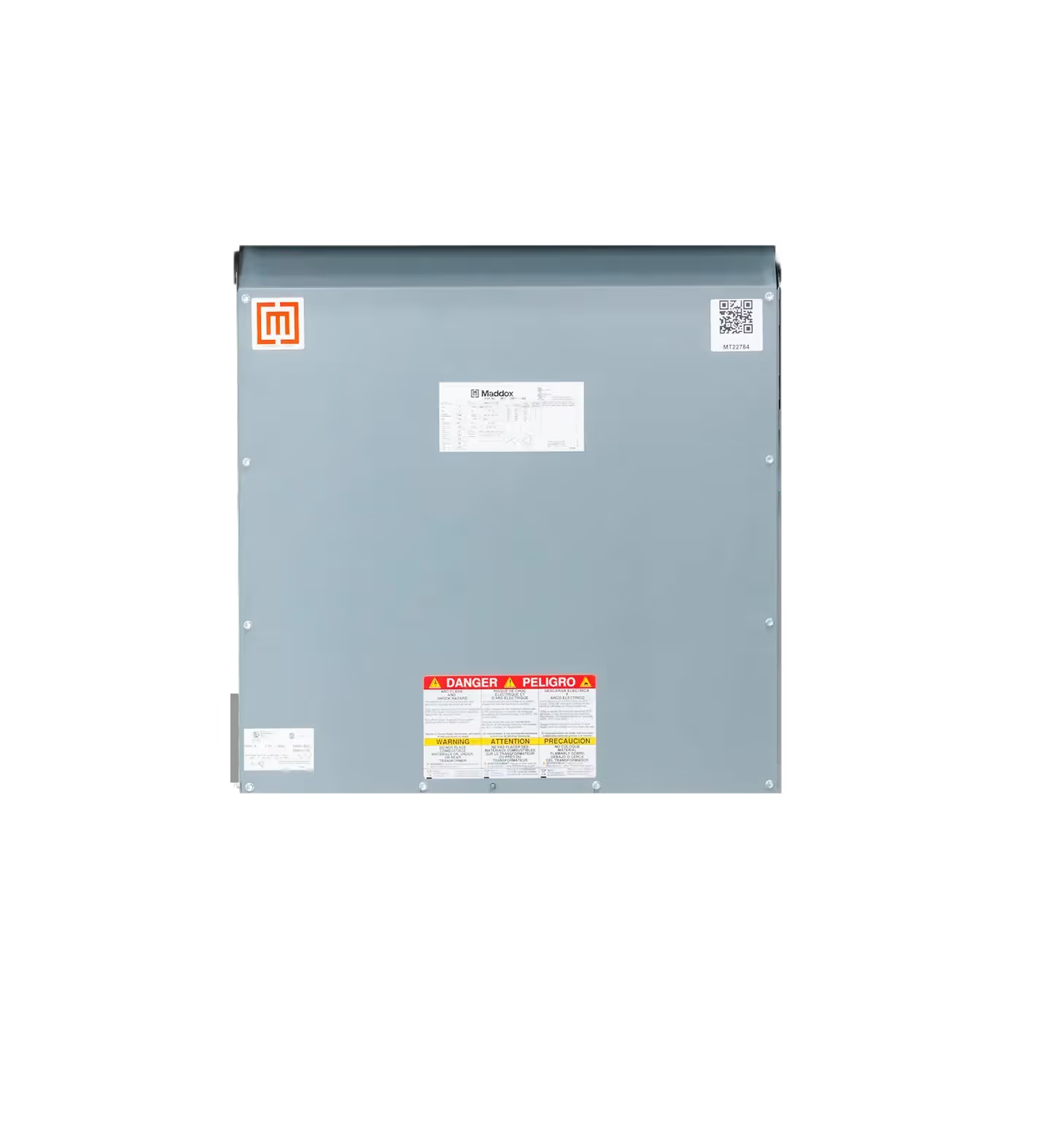
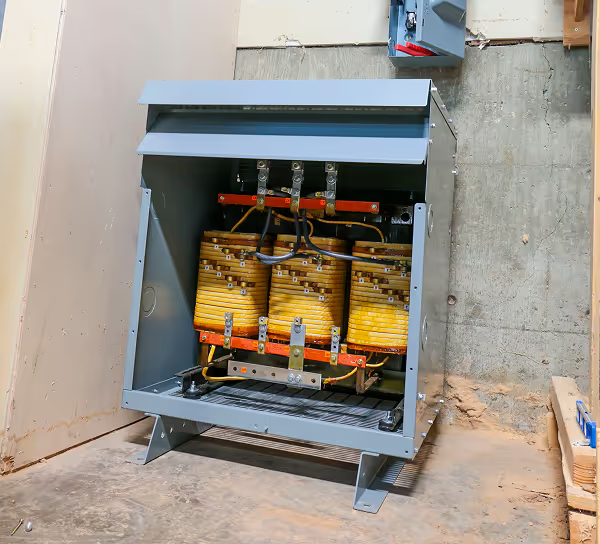
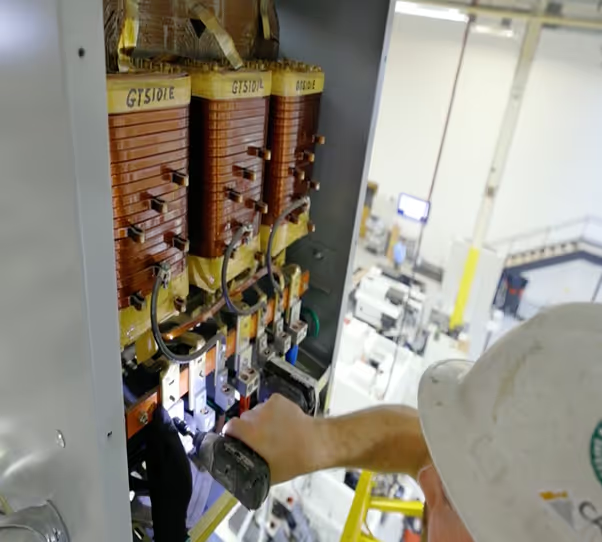
A Maddox low voltage dry-tpe transformer with the cover off showing the core and coilsThe cover of a Maddox Low Voltage Dry-type Transformer

One Transformer or One Hundred—We Can Help

Whether you’re powering a single machine or an entire factory, we’ll help you find the transformers you need—fast and hassle-free.

" I ordered a rebuilt 30kVA transformer. When I received it, the carrier had apparently dropped it and I refused receipt. I called and they shipped a new transformer without any additional cost to me. I would recommend Maddox to anyone needing transformers.

Francis M.

“My local electrical supply could not get the transformer I needed, said it would take six weeks to get. Maddox had it in stock shipped to me in six days and installed the next day. Thanks great service.”

Troy G.

“When I called, a real person (Gregory) answered the phone, and within a half hour or so, I had three quotes in my inbox to review. Ended up having to call back for clarification for my specific use, Gregory was happy to help.”

Timothy G.

“I was given a task to find a step up transformer and it had to be delivered in three days. In a brief phone call I provided my specifications. I was told that not only could they provide the transformer, but they could deliver it on the date I needed it. Life saver.”

Eric J.

“Was looking for a cost effective 45KVA transformer. Phone call to Jacob Sauer at Maddox & he quickly confirmed a reconditioned unit was in stock, immediately available, confirmed cost and set up for delivery. Delivery was as scheduled, unit is great shape.”

Thomas D.

“I ordered a rebuilt 30KVA transformer. When I received it, the carrier had apparently dropped it and I refused receipt. I called and they shipped a new transformer without any additional cost to me. I would recommend Maddox to anyone needing transformers.”

Francis M.

“This is the second time that my husband's Electrical Contactor business has placed an order with Maddox Industrial Transformer. Excellent customer service and would highly recommend to any Electrical Contractor.”

Stephanie V.

How to Get Your Transformer Fast

Buying dry-type transformers should feel hassle-free, so we provide multiple ways to find and purchase the right unit for your project.

Dry-Type Transformer Options

With thousands of new and used dry-type transformers in-stock and extensive custom capabilities, Maddox will get you the right dry-type transformer for any application.

Stock

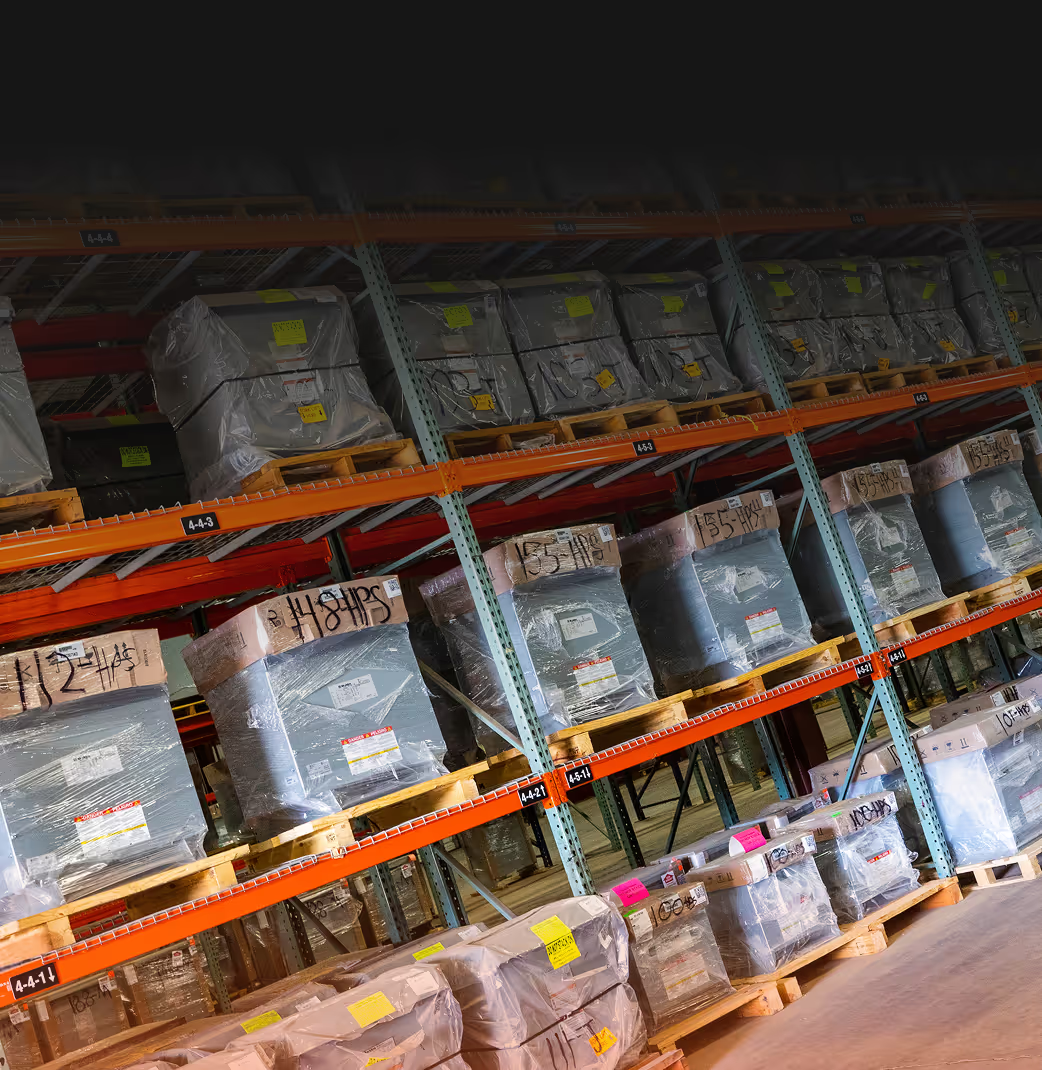
Hit project deadlines with thousands of common kVA sizes and voltages, in stock and ready to ship.

Warehouse shelves filled with large pallets wrapped in plastic and labeled with barcodes and tags.

Custom

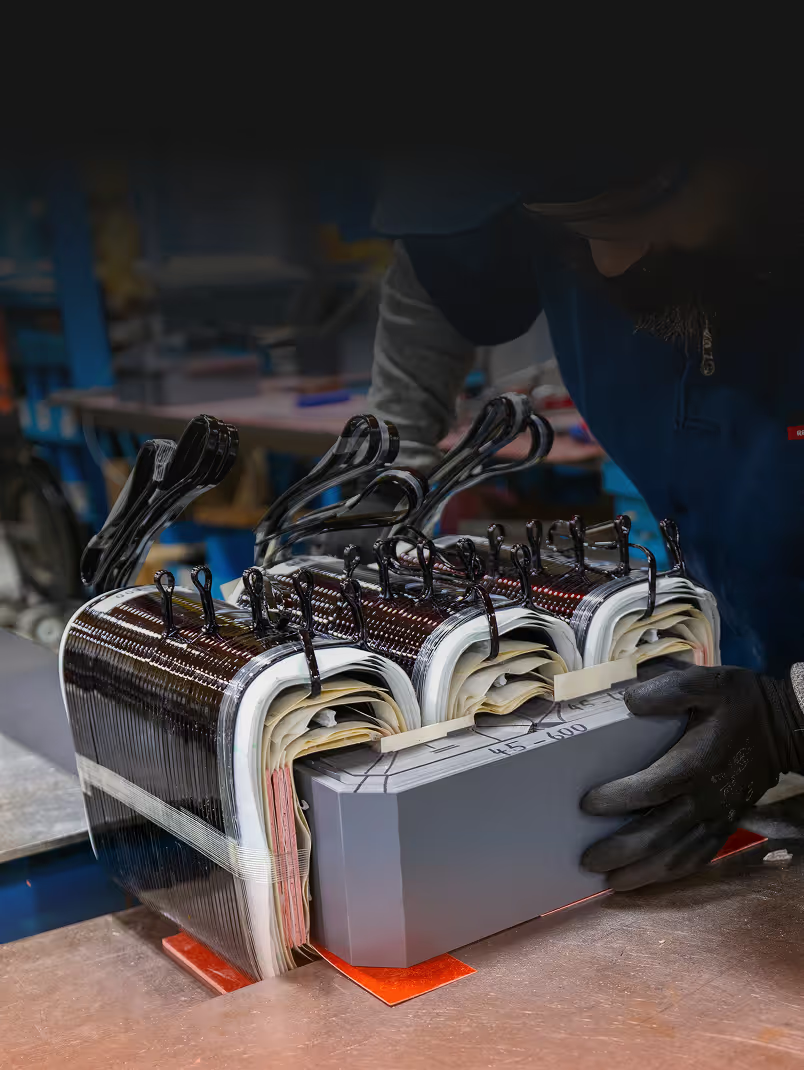
Get exactly what you need with extensive transformer customizations available.

Worker assembling or inspecting large industrial transformer coils on a metal workbench.

Used

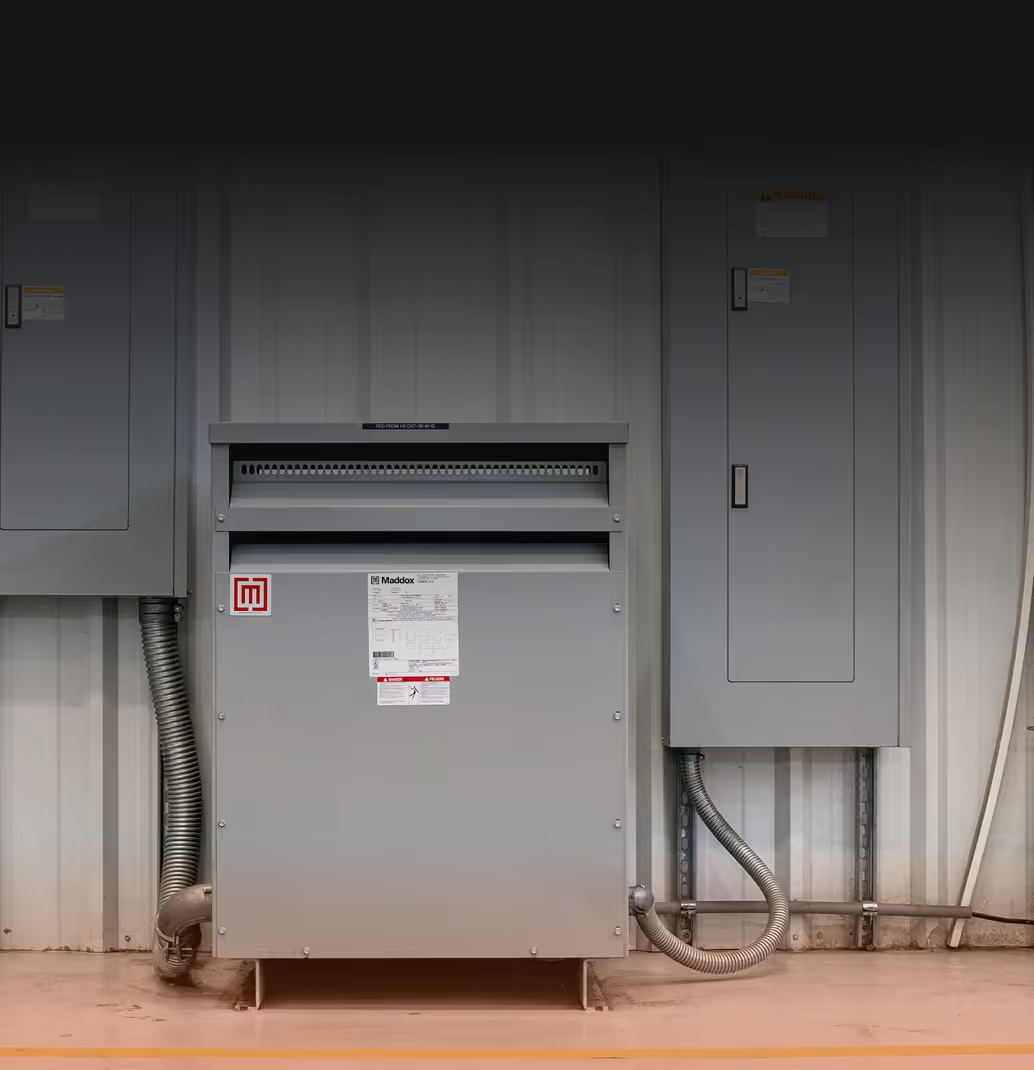
Get like-new transformer performance at a fraction of the price.

Industrial electrical panel with warning labels and gray metal conduits attached mounted on a wall in a utility room.

Transformers for Immediate Purchase

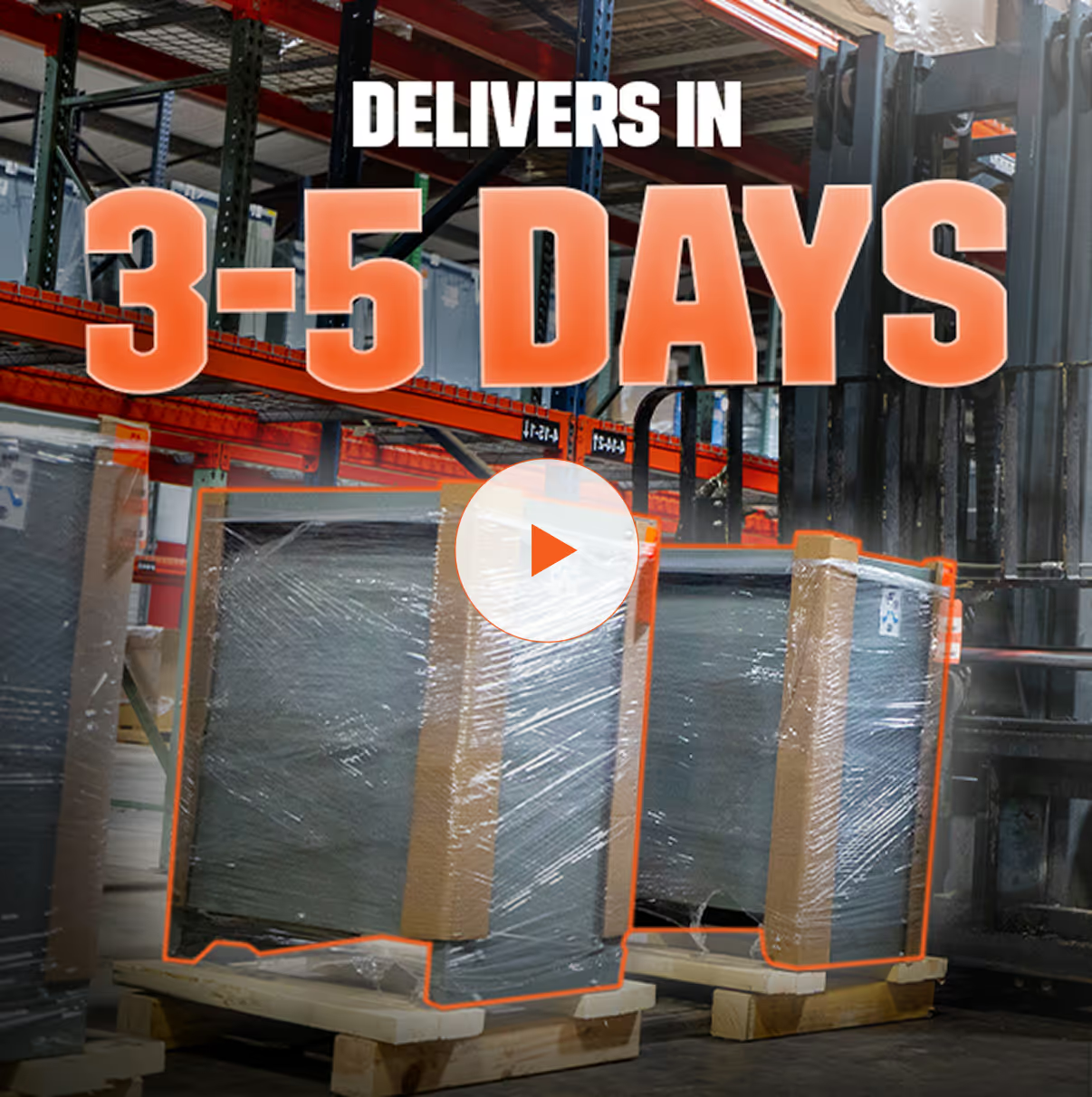
Maddox’s webstore offers hundreds of new and used dry-type transformers, available for instant purchase and fast delivery (3–5 business days, or faster).

Get a Quick Quote

Fill out the form and we will get back to you as soon as possible. Our average response time during business hours is 30 minutes.

Frequently Asked Questions

What is a dry-type transformer?

A dry-type transformer is a transformer that uses air instead of liquid insulation or cooling oil. It relies on solid insulation systems and natural or forced air cooling. These units are commonly used indoors where safety, fire risk reduction, and low maintenance are considerations in commercial and industrial power distribution systems.

What are the main parts of a dry-type transformer?

A dry-type transformer consists of primary and secondary windings, a magnetic core, insulation systems (typically epoxy or varnish), and a protective enclosure. Some units include cooling fans for forced air ventilation. Each component works together to ensure safe voltage transformation and efficient heat dissipation without liquid cooling.

What insulation class is used in dry-type transformers?

Dry-type transformers commonly use insulation classes such as 130°C (Class B), 155°C (Class F), or 180°C (Class H) or 220°C (Class R). Higher insulation classes allow greater temperature tolerance and improved durability under heavy load conditions. The insulation system directly impacts reliability, thermal performance, and service life of the transformer.

Can dry-type transformers be installed indoors?

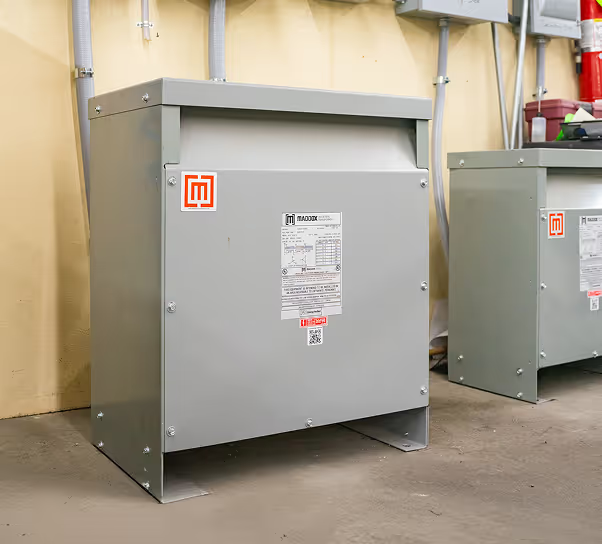
Yes, dry-type transformers are commonly used for indoor installation. They are often found  in mechanical rooms, electrical closets, and commercial buildings where fire safety is critical. Proper ventilation is important to ensure heat dissipation. Their oil-free design makes them suitable for environments with strict safety regulations.

Are dry-type transformers energy efficient?

Dry-type transformers can be highly energy efficient when designed to meet modern U.S. Department of Energy (DOE) efficiency standards. Modern designs reduce core and winding losses, improving overall operating efficiency. Their safety benefits and low maintenance requirements also make them a cost-effective choice over their operational lifecycle.

What are the advantages of dry-type transformers?

Dry-type transformers offer excellent fire safety, low environmental risk, and require relatively little maintenance. They are ideal for indoor applications and sensitive environments. Their oil-free construction eliminates leakage concerns while still providing reliable voltage transformation for commercial and industrial electrical systems.

What enclosures are available for dry-type transformers?

Dry-type transformer enclosures are chosen to match the installation environment and are usually specified using NEMA enclosure ratings. Common options include NEMA 1 (general-purpose, indoor), NEMA 2 (indoor, limited dripping water), NEMA 3R (outdoor, rain and sleet protection), and NEMA 4/4X (watertight, with 4X adding corrosion resistance for coastal or washdown settings). The right choice comes down to whether the unit is installed indoors or outdoors and how much dust, moisture, or corrosive exposure it will see.

When should you use a dry-type vs oil-filled transformer?

Dry-type transformers are usually best for indoor applications, commercial buildings, hospitals, and data centers where fire safety and environmental concerns are important. Oil-filled transformers are typically used outdoors or in higher-capacity applications requiring better heat dissipation. Dry-type units eliminate fluid leakage risk and reduce environmental compliance requirements.

How do you size a dry-type transformer?

Dry-type transformers are sized based on the electrical load they will serve. First, calculate the total connected load in amperes, then select a transformer with a kVA rating that meets or exceeds that demand while allowing capacity for future growth.

The required transformer size can be calculated using these formulas:

Single-phase: kVA = (Volts × Amps) ÷ 1,000
Three-phase: kVA = (1.732 × Volts × Amps) ÷ 1,000

When sizing a transformer, engineers also consider factors such as continuous versus intermittent loading, motor starting currents, ambient temperature, altitude, and future load expansion. Proper sizing helps ensure reliable operation, minimizes energy losses, and maximizes transformer service life.

Do dry-type transformers require maintenance?

Yes, regular maintenance is recommended for dry-type transformers. Routine inspections typically include checking for dust buildup, ensuring proper ventilation, and verifying electrical connections. Because they do not use oil, there is no need for fluid testing or leak management, which can significantly reduce long-term maintenance costs.

What is the lifespan of a dry-type transformer?

A well-maintained dry-type transformer typically lasts 20 to 30 years or more. Lifespan depends on load conditions, ambient temperature, insulation class, and maintenance practices. Operating within rated capacity and ensuring proper ventilation significantly extends service life while maintaining efficiency and electrical reliability.

What are the temperature limits of dry-type transformers?

Dry-type transformers are designed to operate within specific temperature rise limits, typically 80°C, 115°C, or 150°C depending on insulation class. Staying within these limits ensures safe operation and prevents insulation degradation. Proper ventilation and load management are critical to maintaining safe operating temperatures.

What are the common types of dry-type transformers?

Dry-type transformers are grouped by how their windings are cooled and protected from the surrounding environment.
The three most common types are:

Ventilated: The enclosure has vents that let ambient air circulate naturally around the core and coils to carry heat away. This is the most common dry-type design, and it works well in spaces where dust and moisture aren’t a concern.

Encapsulated: The windings are cast in epoxy resin (or a similar compound) that fully seals the coils. This shields them from moisture, dust, and corrosive or contaminated air, which makes encapsulated units a strong fit for harsh, humid, dirty, or outdoor environments where a ventilated unit would degrade.

Non-ventilated: The enclosure is fully sealed with no vents, so heat is dissipated by conduction and radiation through the case rather than by circulating air. This protects the windings from dripping water, dust, and contaminants, but because no air moves across the coils, these units are typically derated compared to an equivalent ventilated transformer.

What types of special dry-type transformers exist?

Beyond standard distribution units, several specialized dry-type transformers are built for specific load conditions:

K-factor: Designed to handle the harmonic currents generated by nonlinear loads such as computers, variable frequency drives, LED lighting, and other electronic equipment. Harmonics cause extra heating that can overload a standard transformer, so K-rated units (for example K-4, K-13, or K-20) use features like an oversized neutral, special winding configurations, and added thermal capacity. The K-rating indicates how much harmonic load the transformer can tolerate.

Drive isolation: Built specifically to feed adjustable/variable frequency drives. They isolate the drive from the incoming supply, and are constructed to withstand the mechanical and thermal stresses (including DC components and voltage transients) that drive loads impose.

Motor drive: Matched to motor-control applications, providing the voltage matching, isolation, and protection a motor drive system needs. 

Autotransformers: Use a single continuous winding with one or more taps to step voltage up or down. Unlike isolation transformers, the primary and secondary share part of the same winding, making autotransformers smaller, lighter, more efficient, and less expensive than comparable two-winding transformers. They are commonly used for voltage buck/boost applications, motor starting, voltage regulation, and interconnecting electrical systems with similar voltage levels. Because they do not provide galvanic isolation between the input and output, they are only suitable where electrical isolation is not required.