.jpg)


Why Do Transformers Fail?
Learn why transformers fail, what warning signs to watch for, and how to prevent unexpected downtime.
Parts
All transformers have an expected lifespan.
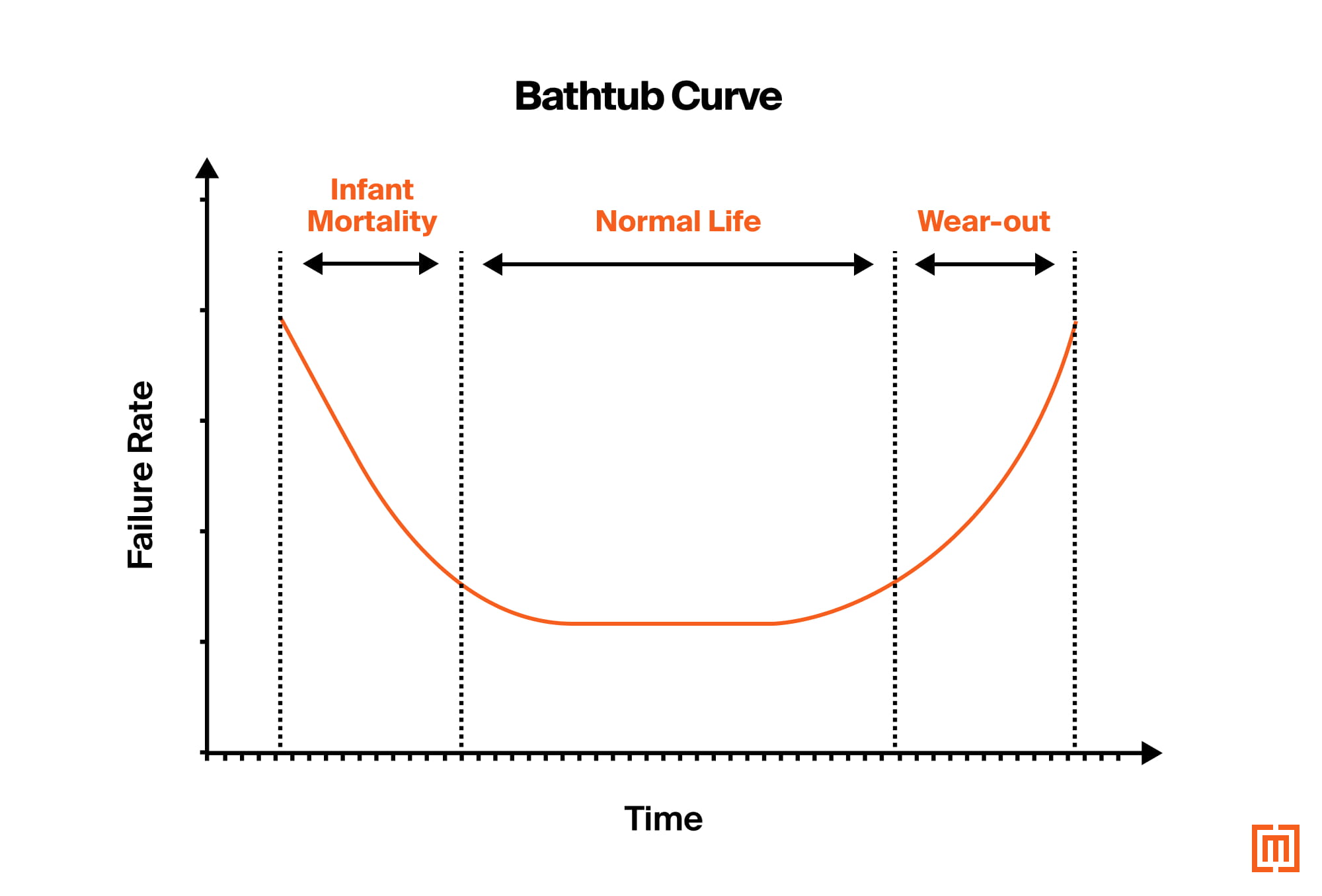
But the risk of failure doesn't rise steadily with age. A unit is actually most vulnerable to failure at two specific times: right after it is first energized, and after 30 years of service.
In this article, we’ll look at transformer failures. How long transformers usually last, why failures happen, warning signs, and what you can do to prevent failure.
How long do transformers last?
A transformer built today will typically last about 20–30 years. That assumes it runs continuously at or near 100% of the kVA rating listed on its nameplate. Run it below that rating, and it will last longer. Overload it, and its life will be shorter. In some cases much shorter.
When do transformers fail?
Transformers are most likely to fail at two points: right after they're energized, and after 30+ years in service. This pattern is known as the bathtub curve, where the transformer lifecycle is broken out into three stages:
Infant Mortality
Factory defects and installation errors usually show up almost immediately after a unit is energized. If a transformer runs cleanly for its first few months, it will likely run reliably for decades.
Random Failure
After the first few months of service, a transformer’s failure rate drops significantly. Unless there is a natural disaster or other outside event, it should operate reliably for the next few decades.
Wear-Out Failure
After 30 years, failure risk climbs again. Materials simply age past their functional limits. Especially the insulation.
What is transformer failure?
A transformer has failed when it can no longer perform its basic function of converting electricity from one voltage to another. At this point, the transformer must be removed from service and either repaired or replaced.
Why do transformers fail?
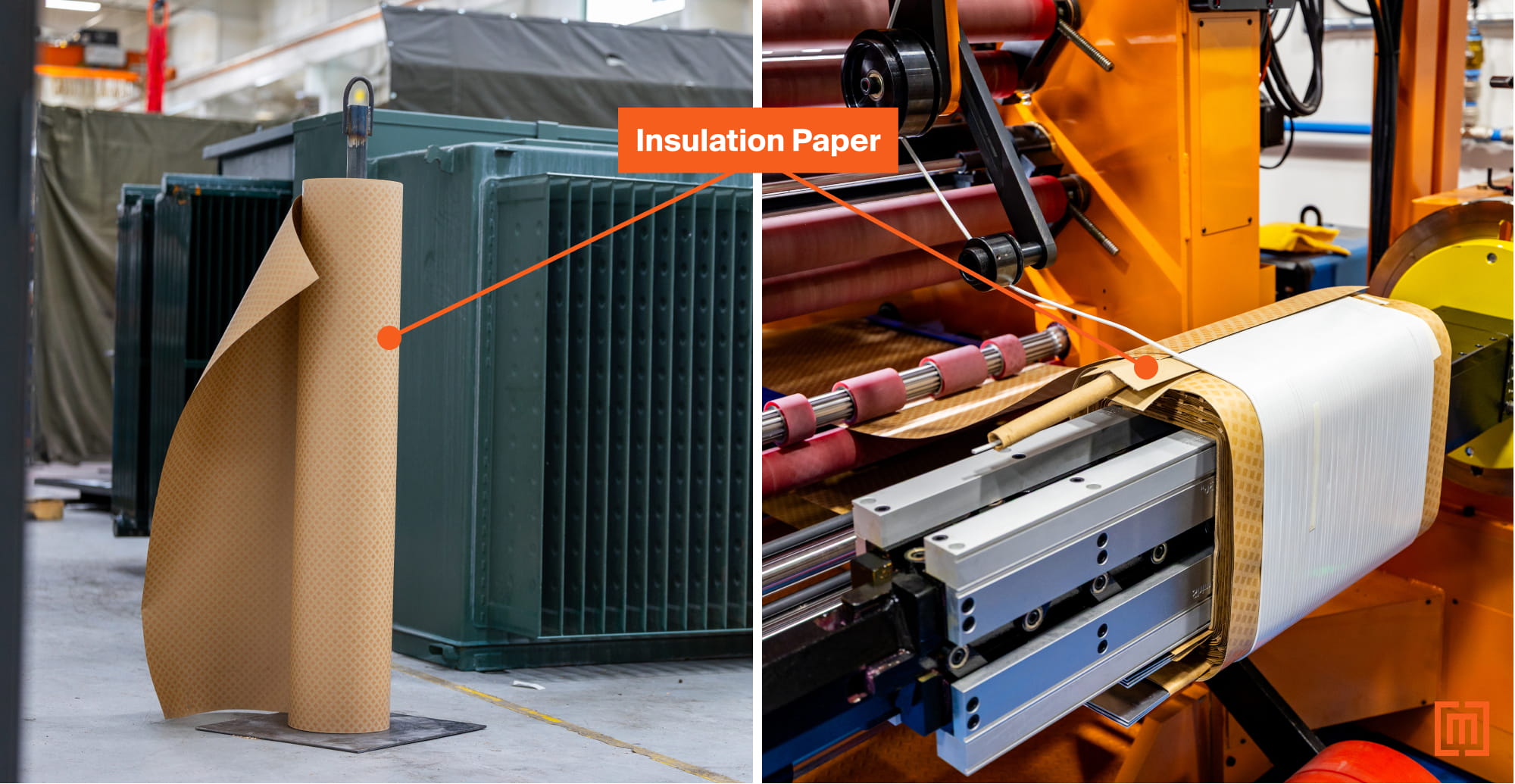
Almost every transformer failure traces back to one thing: a breakdown in the transformer's insulation system. Several studies, including an IMIA study, shows once the insulation fails, the transformer follows. That insulation protects the internal windings and creates a secure pathway for the flow of electricity through the unit. Once it's compromised, failure soon follows.
So what damages the transformer insulation? There are four main factors:
- Aging
- Manufacturer defects
- Improper use
- Catastrophic events
Let’s take a closer look at each of these.
Aging
Like any equipment, transformers naturally break down over time. The biggest factor is the cellulose paper insulation wrapped around the windings. This paper naturally breaks down and weakens as it ages. As it loses strength, the unit becomes more vulnerable to internal faults and short circuits. How you load the transformer directly impacts the lifespan of this paper.
Manufacturer Defects
Not every failure comes down to age or operating conditions. Some units are compromised before they're even energized. Design flaws, material defects, and manufacturing errors can all cause failure. According to an analysis by EDT Engineers, design, manufacturing, material, and installation defects accounted for about a third of all transformer failures. This is why it is so important to choose a reliable transformer provider. Should something go wrong, you want a partner with a warranty and service team that will make it right.
Improper Use of a Transformer
The biggest enemies of transformer insulation are heat and moisture. When a transformer is installed or used incorrectly it will usually become susceptible to one or both of these. Common examples include:
Incorrect Sizing or Specs
An undersized transformer, or one that doesn't match your system's demands, opens the door to a host of problems. A kVA rating that's too small for the load will cause overheating, which degrades insulation and leads to failure. If you don’t spec your transformer with an e-shield or the appropriate k-factor rating it might not be able to handle the additional heat from harmonics or voltage spikes. This is especially relevant in solar farms. Because solar transformers don't run 24/7, they are sometimes undersized and specced without e-shields. This leaves them unable to handle peak loads, leading to premature failure.
Improper Installation
If a transformer is installed incorrectly this can also lead to premature failure. This includes installing a transformer without enough clearance for cooling, which raises internal heat and degrades insulation faster. Ensure to follow all manufacturer installation instructions or building and safety regulations when installing transformers to prevent premature failure.
Overheating from Overloading or Poor Cooling
Transformers produce heat under normal loading conditions. But consistently overloading a unit drives temperatures up fast. That excess heat breaks down the insulating paper and eventually causes failure. This breakdown follows the Arrhenius equation that states that thermal aging doubles for every 10°C increase in temperature. In other words, every 10°C above a unit's rating cuts its lifespan in half.
Catastrophic Events
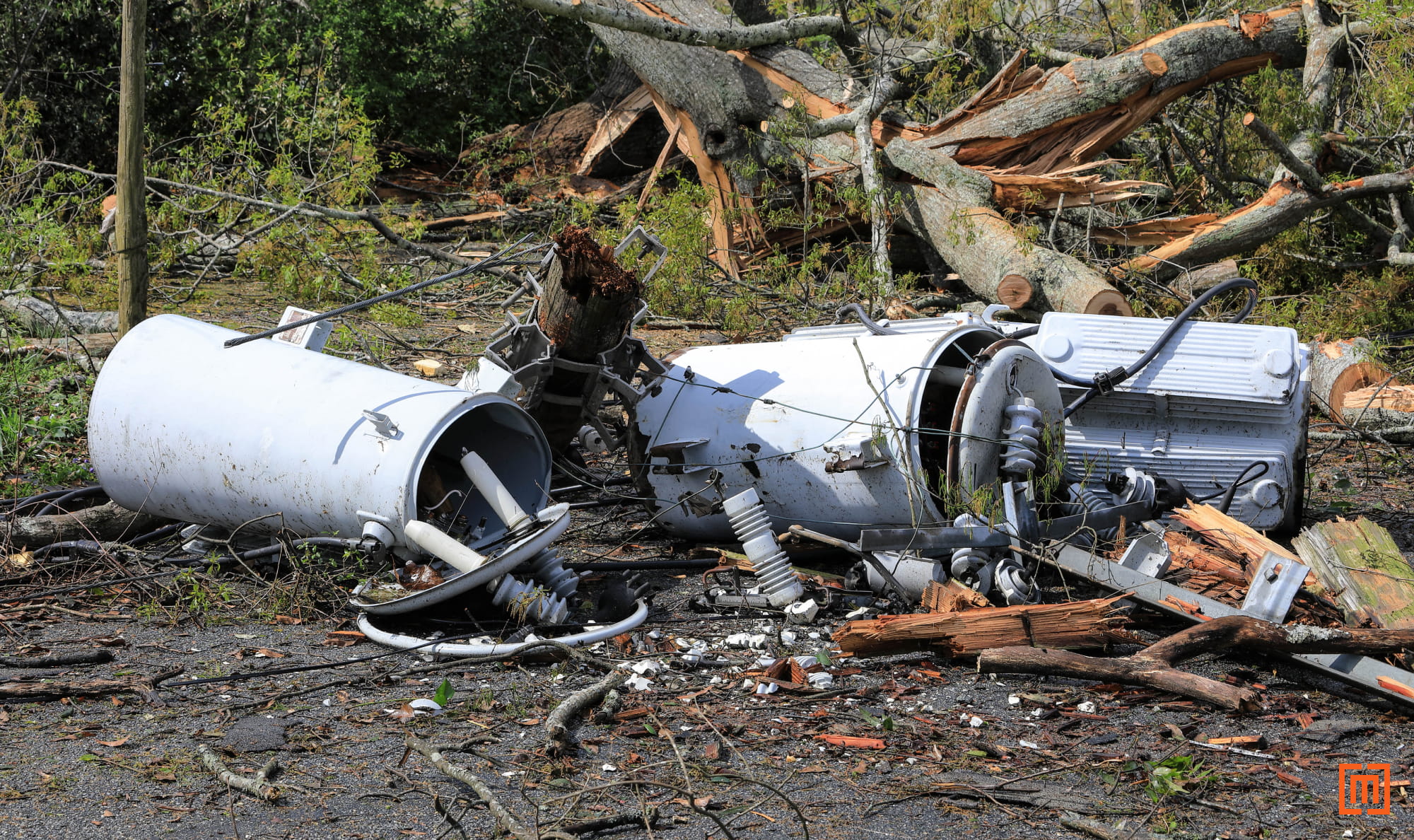
Some failures have nothing to do with the transformer’s age or load. They're caused by a single destructive event. Lightning strikes, severe system faults, and physical impacts (a vehicle hitting a padmount, for example) can take out a transformer instantly.
Storm damage is a major contributor at scale. A Doble study of 3,858 transformer failures attributed 121 of them directly to lightning and storm events. More recently, Hurricane Helene knocked out more than 500 transformers from Georgia Power alone.
What are the signs a transformer could fail?
Unless a catastrophic event destroys a transformer outright, it usually shows warning signs before failing. But without consistent, proactive maintenance, those signs are easy to miss. Catching them early is often the difference between a routine fix and an emergency replacement.
Here are the most common signs to watch for.
The transformer consistently overheats.
While some heat is normal under load, a unit running hot for extended periods is a major red flag. Severe overheating degrades the insulating paper and eventually causes failure. You’ll want to use your gauges, thermal imaging, and Dissolved Gas Analysis (DGA) tests to track what is happening inside the tank.
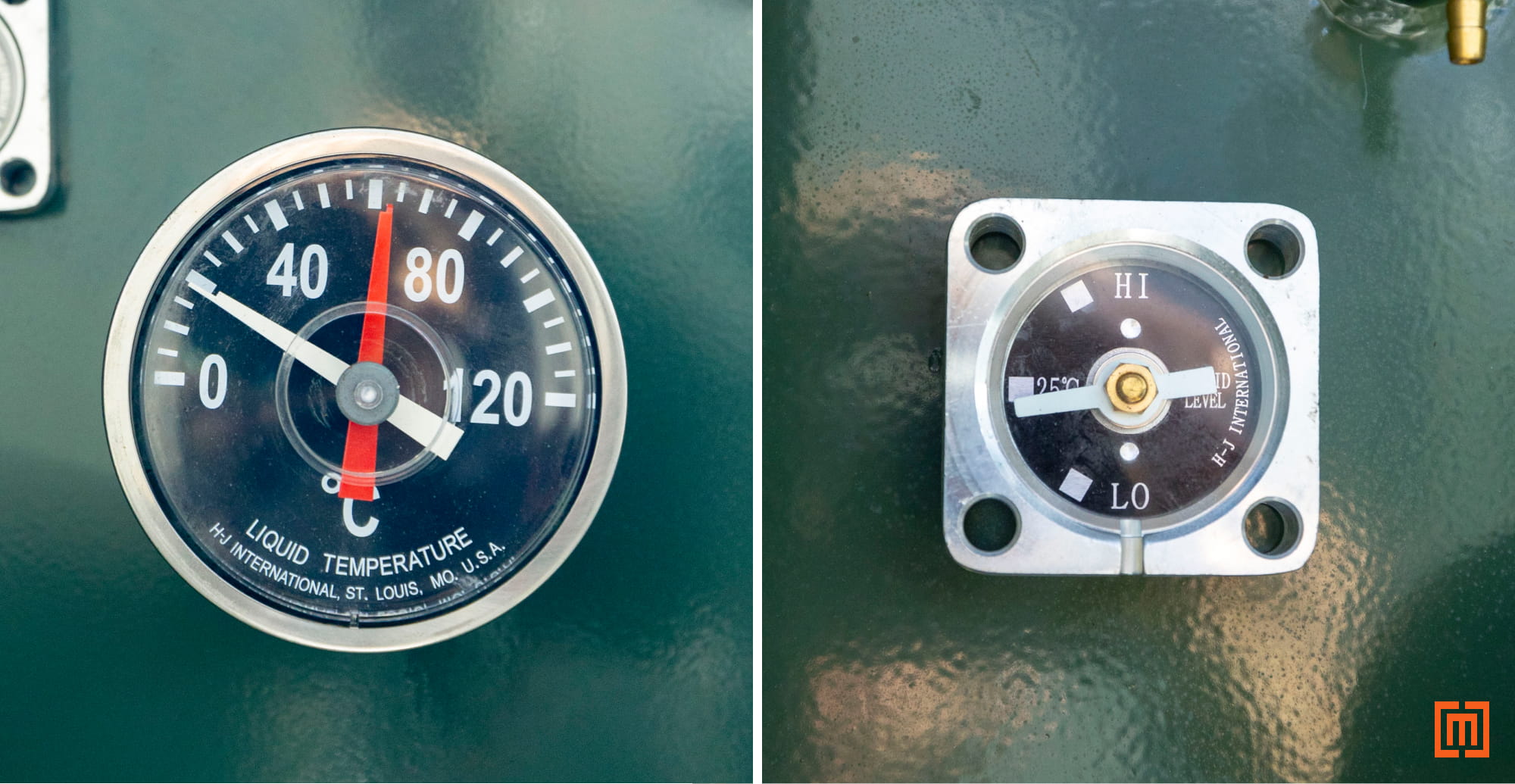
Checking transformer gauges
Your liquid level gauge tracks the amount of fluid inside the tank. Levels naturally rise and fall with temperature, so some movement is normal. Gauges use 25°C as a baseline so expect lower readings in cold weather, higher when warmer and under load. But if the gauge stays low even during peak load on a warm day, you likely have a leak, and low fluid means the core and coils won't stay cool or protected.
Keep an eye on the liquid temperature gauge too. If the red pointer's maximum reading looks unusually high, investigate right away. Learn more in our transformer gauges article.
Using thermal imaging
Infrared thermography lets you safely scan an energized transformer from a distance to find hidden thermal anomalies. When performing a thermal scan, look for these specific red flags:
Dry-Type Windings
On dry-type units, the heat should be evenly distributed across all three coils. Concentrated hot spots in a single coil can tell you the load is unbalanced. Or system loading issues. In more severe cases, they could also indicate internal arcing or loose connections.
Below is an example of what the heat distribution on a dry-type core and coil should look like after initial energization.
.jpg)
Liquid-Filled Radiators and Tanks
In oil-filled units, heat should peak at the top of the main tank and dissipate smoothly down the radiator fins. Cold radiator fins mean you have blocked oil flow or low fluid levels.
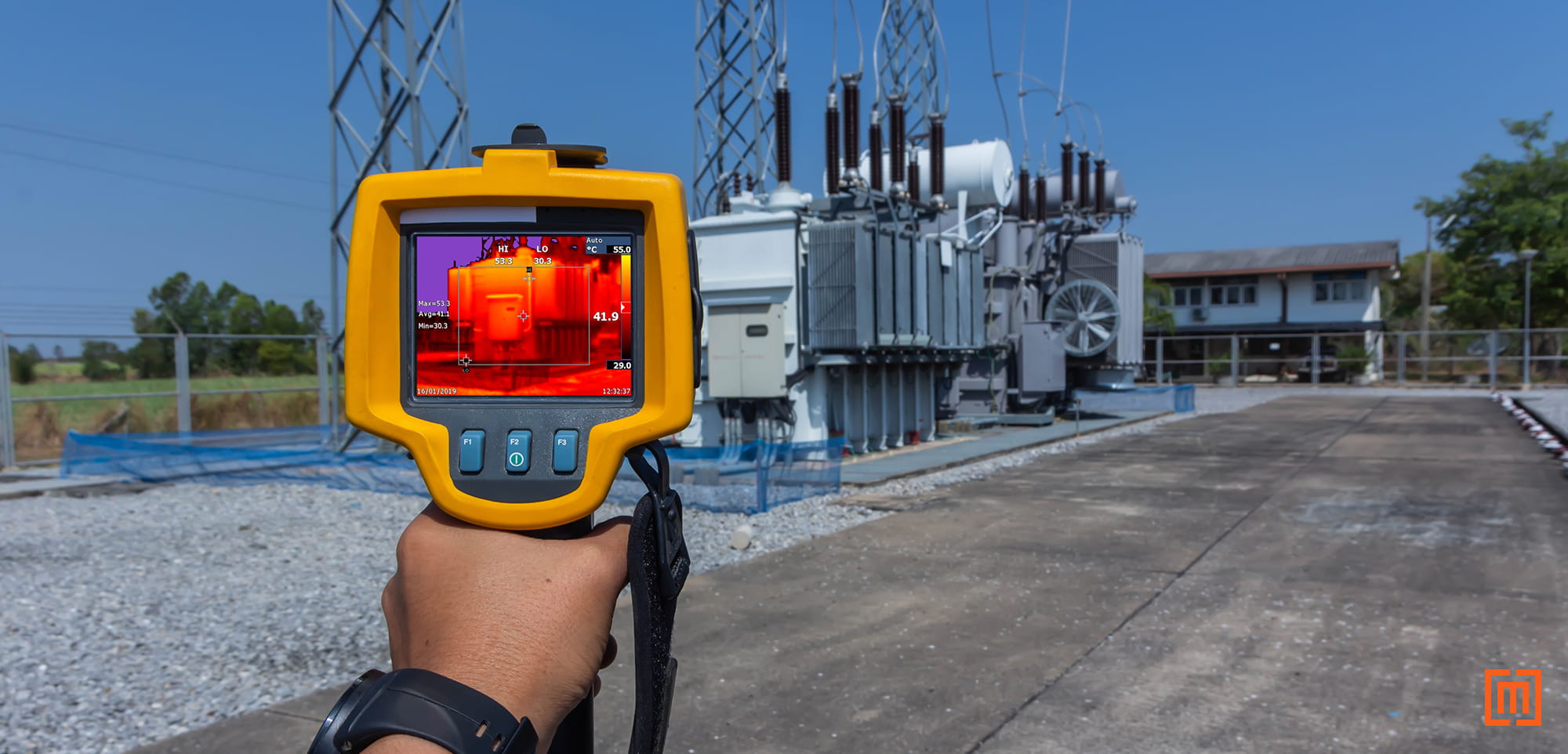
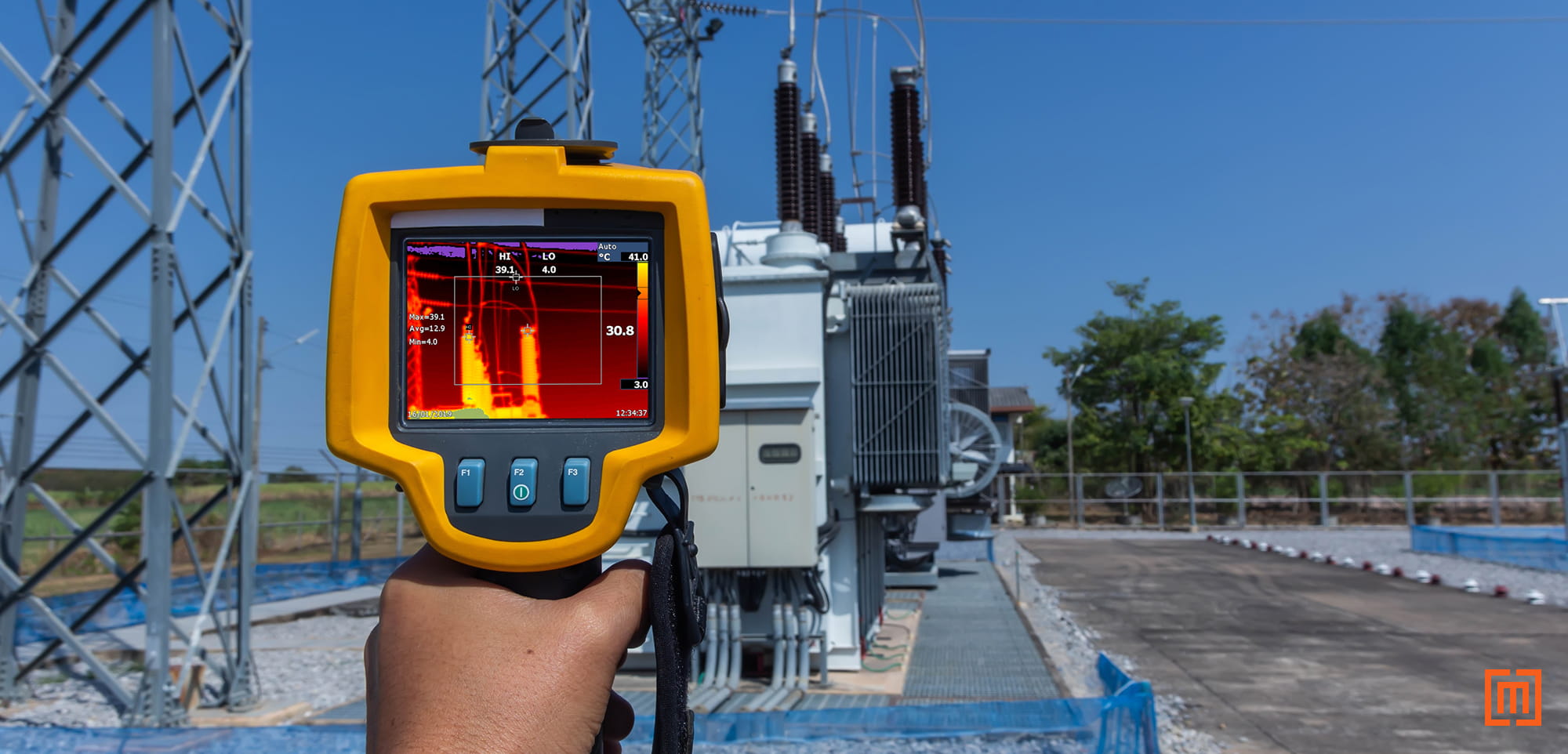
External Connections
Scan the high and low-voltage bushings and terminals. Hot spots here indicate loose, corroded, or failed components or connections that are driving up electrical resistance. Thermal imaging can also detect low levels of oil in condenser-style bushings.
Running DGA tests
When paper or oil overheats, they chemically break down and release diagnostic fault gases into the liquid. A DGA report will show the breakdown of these gasses and help you identify what is going on inside your transformer. Learn more about understanding DGA reports in this article.
The transformer makes unusual noises.
A healthy transformer hum is low, consistent, and calm. The metal core expands and contracts to create this sound. However, buzzing or popping noises indicate dangerous internal arcing or loose connections. If you’re hearing odd noises, you’ll want to de-energize the unit and investigate.
The transformer’s oil is discolored.
Clean transformer oil maintains the dielectric strength needed for insulation. Dark oil or thick sludge indicates the oil is contaminated or has oxidized. Sludge traps heat inside the coils and destroys the insulation. Contaminated oil also fails to lubricate load break switches and tap changers properly.
How can you prevent transformer failure?
Some operators treat transformers as "set-it-and-forget-it" machines. But this increases the likelihood of cutting the unit’s lifespan short. The most effective thing you can do to prevent a catastrophic failure is to make a proactive maintenance schedule. Catching a small warning sign early is often the difference between a simple fix and an expensive emergency.
This maintenance schedule should include:
- External visual inspection
- Oil sampling & DGA Testing (Liquid-filled)
- Gauge readings (Liquid-filled)
- Enclosure Cleaning
For a detailed list, check out our guide to transformer maintenance.
The Bottom Line
Protecting your transformer's insulation is incredibly important in preventing failure. To do this, make regular maintenance a priority to ensure your transformers stay up and running.
If you're seeing any of the warning signs above, fill out the form below. We'll review your situation and recommend next steps.
And if the worst happens and your windings are damaged, that doesn't mean your transformer is scrap. Our techs can rewind your transformer, giving you a brand new set of coils, while keeping the rest of the unit intact.
Maddox has thousands of units and parts in stock across the country. We’re here to keep your transformers running smoothly and safely.