aluminum and copper wound transformers

Aluminum vs. Copper Windings in Distribution Transformers

Aluminum windings have become the preferred choice in the transformer industry. Learn how they compare to copper windings, and where each type might make more sense.

For decades, copper was considered the default option for transformer windings. But for the past thirty years now, aluminum has become the dominant choice. This isn’t by accident. Modern aluminum‑wound distribution transformers have proven to be just as reliable, efficient, and durable as their copper counterparts in real‑world service.

That doesn’t mean copper is the wrong choice. In fact, in certain applications, copper makes more sense. For power class substation transformers, copper is the go-to option. But for most commercial and industrial padmount, dry-type, and substation transformers, aluminum is not a compromise. It’s usually more practical. 

Comparing Copper and Aluminum Windings

In this article, we’ll compare aluminum and copper windings across seven practical factors:

  • Efficiency
  • Size and Weight 
  • Cost
  • Tensile Strength
  • Manufacturing and Connections
  • Oxidation
  • Life Expectancy

We’ll see where copper still makes sense, and where aluminum does just as well.

Let’s get into it.

Material Efficiency Size and Weight Cost Strength Manufacturing and Connections Life Expectancy
Copper Higher Heavier and slightly smaller coils $$ Higher tensile strength Usually brazed connections, slight conductivity loss No direct effect on lifespan
Aluminum Lower* Lighter and slightly larger coils $ Lower tensile strength Usually welded connections, no conductivity lost No direct effect on lifespan
*Aluminum transformers are required by DOE to have the same efficiency standards as copper units.

Efficiency

Efficiency is one of the biggest considerations when choosing transformer winding material.

All modern distribution transformers, whether copper or aluminum, are built to meet the same DOE efficiency standards. For example, a 500 kVA 3-phase liquid-filled padmount is required by law to be built to a 99.35% efficiency rating, regardless of the winding material. 

Aluminum’s conductivity is only about 60% that of copper. Manufacturers compensate for this by increasing the size of the aluminum conductors, which brings aluminum’s energy losses in line with those of copper.

Copper is sometimes used when the goal is to exceed DOE efficiency or meet strict loss targets. However, because the current DOE 2016 standard has established efficiency levels for transformers under 2,500 kVA, units with either winding type will have similar efficiency levels. 

copper and aluminum conductors

Size and Weight

Next, let’s examine size and weight. 

Coil Size

If you are replacing an older unit, chances are a newer unit with the same ratings will be bigger. This is largely due to the current DOE efficiency requirements published in 2010. In a retrofit situation where space is tight, copper windings may help due to their smaller size. Reducing the overall size of the coils could allow some reduction in the tank footprint too. This would be a highly custom option. But, paying a bit more for a custom unit may save you the cost of completely changing everything in your setup.

Tank Size

Most manufacturers standardize their enclosures. So, ordering copper windings doesn’t mean your transformer will be smaller by default. It is common practice to use the same enclosure for both copper and aluminum. If you are looking to shrink your unit’s footprint, make sure you let your vendor know. A custom enclosure may be needed.

Weight Considerations

Despite having the same coil size, aluminum and copper differ significantly in weight. Copper’s higher density makes copper‑wound transformers roughly 20% heavier than aluminum units. And if your transformer is on a rooftop or elevated platform, that extra weight can mean extra costs or considerations for structural support. 

However, if size is a higher priority than weight for a specific project, a copper-wound unit may be a better option. 
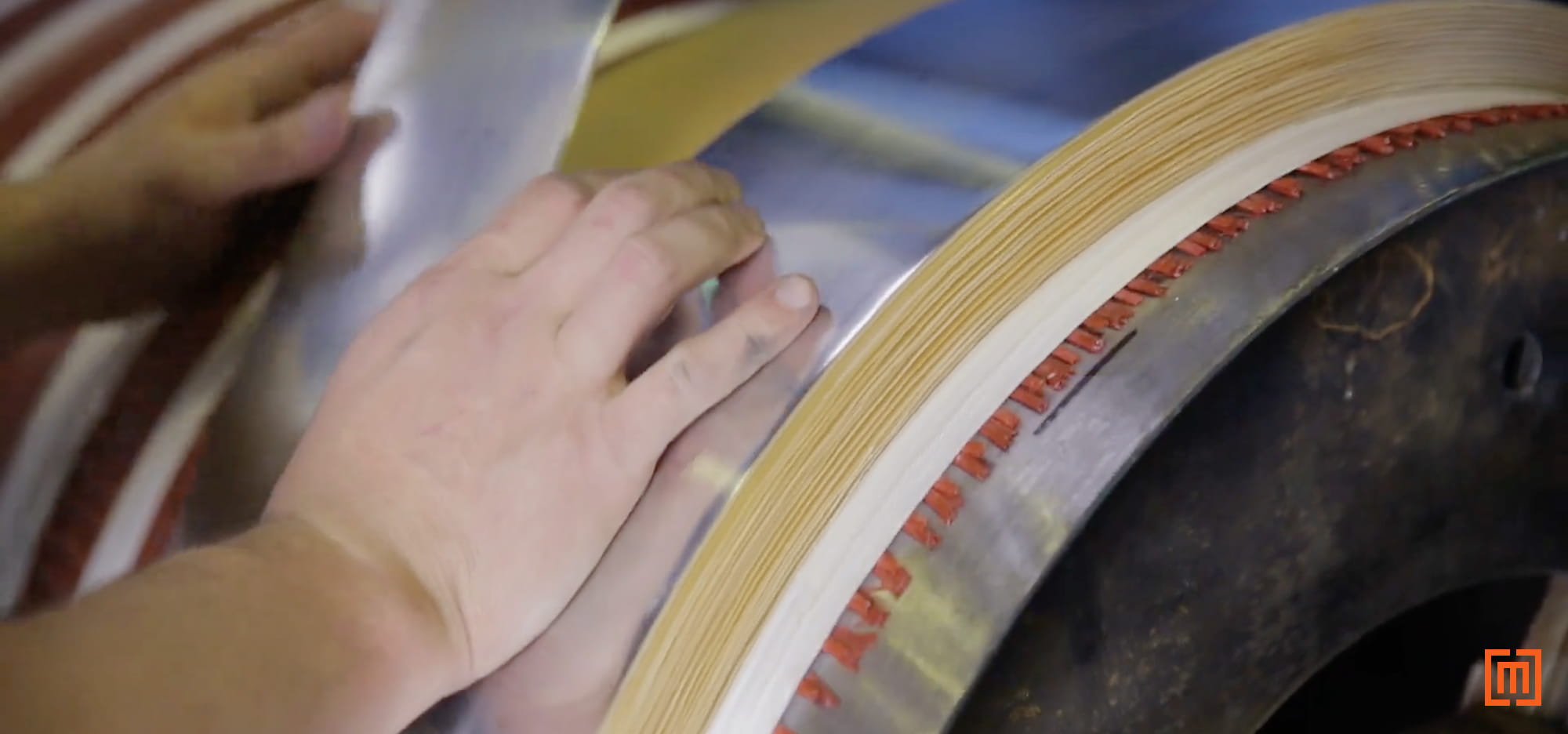
transformer aluminum sheets

Cost

Next, let’s look at costs–both up-front and operational. 

Copper’s raw material cost is significantly higher and far more volatile than aluminum. This usually means that copper‑wound transformers can cost 2-3 times more than aluminum‑wound units. If a customer is buying multiple transformers for multiple projects, that up-front cost difference adds up quickly. 

graphic of aluminum and copper prices

However, the higher efficiency of copper windings could save on operating costs in the long run. If a transformer was designed with efficiency levels above the DOE standard, the long-term operating cost savings could be significant. However, we estimate it would take years to break even on the initial cost difference. Both factors have to be considered. 
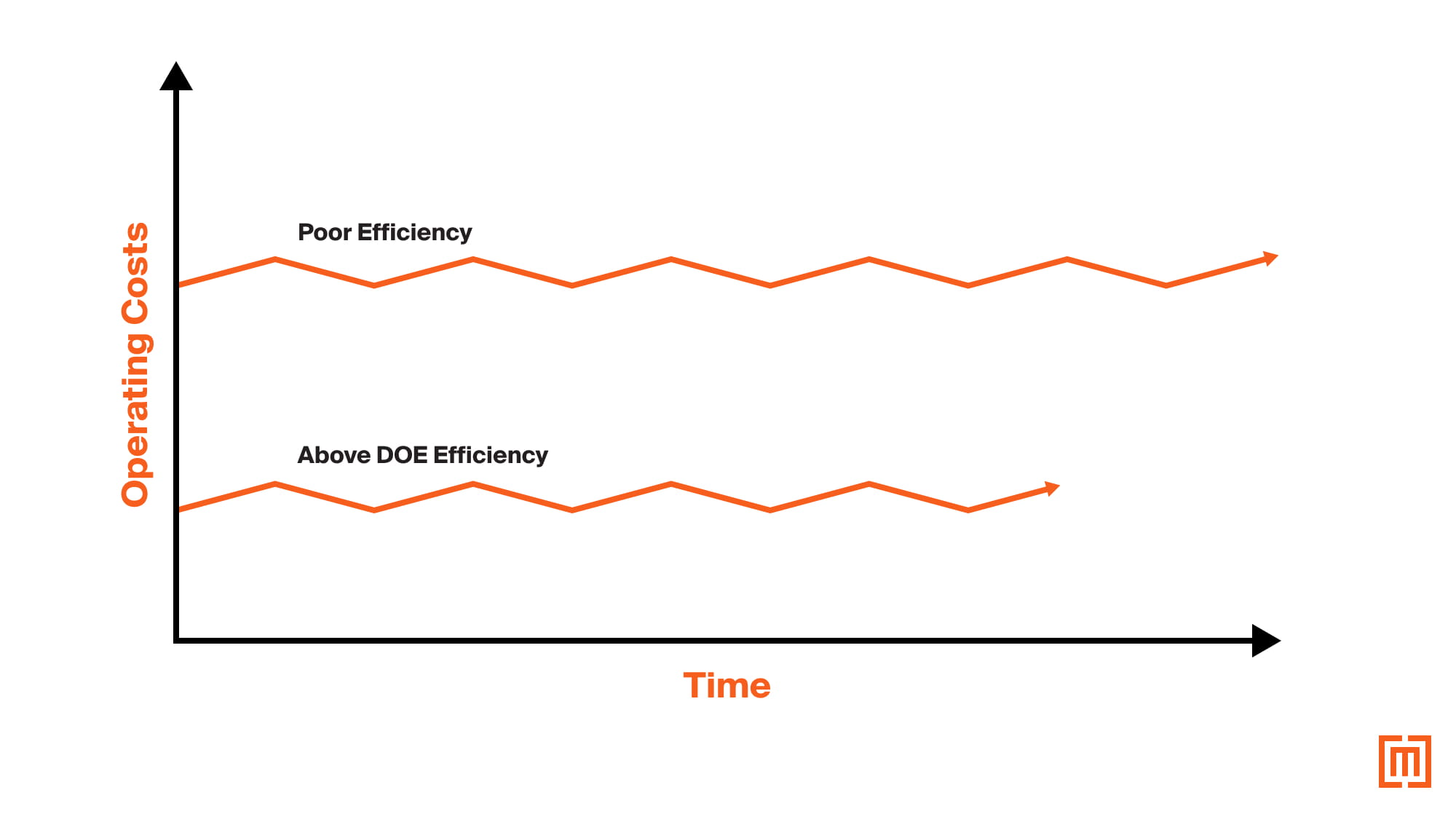
graphic of aluminum and copper long term operating costs

Tensile Strength

Tensile strength is a material’s resistance to being pulled apart. Basically, how tough it is. Copper's high tensile strength makes it ideal for big transformers. 

Why? 

Larger power transformers see higher inrush currents and short-circuit forces.  These high current forces will cause some movement in the windings. For this reason, copper is the best choice for larger power transformers. The copper coils of these larger units are usually wound in a circular disc design. The disc design reinforces the coils against strong short circuit forces. Aluminum has to take a back seat to copper here, every time.

But, most smaller padmounts and substations don't use disc coils. They use rectangular designs with sheet-wound low voltage coils. Additionally, the high voltage windings are layered on top of these sheet windings. 

This rectangular design helps reduce short-circuit forces at the windings. The mechanical stress gets spread across the entire surface of the winding. In turn, this minimizes the role of the conductor’s tensile strength. However, this design becomes impractical at larger transformer ratings.

But, it's the ideal option in the distribution space. Most commercial and industrial three-phase applications below 5MVA use rectangular designs. In this arena, copper and aluminum are on the same playing field. 

Manufacturing and Connections

Aluminum is softer and easier to handle due to its greater malleability. It also tends to have an easier time adhering to the thermoset insulation coating between windings.

Welding copper calls for higher temperatures, so connections are often brazed. However, brazing connections can slightly reduce conductivity at the joint. Aluminum connections, on the other hand, are typically welded. This produces strong, consistent joints with no conductivity loss.

brazed copper and welded aluminum connections

Oxidation

Next, let’s look at oxidation. 

Both copper and aluminum undergo oxidation. However, these metals don't oxidize in the same way. Unlike copper, aluminum oxide forms a protective coating around the bare conductor. This prevents further oxidation from happening. 

People usually list oxidation as a reason not to use aluminum transformers. The claim is that the coating disrupts the connection between the lug and the cable. But, while this is a frequent issue for electrical contractors using aluminum cables for wiring in buildings, this isn’t an issue inside transformers. 

In liquid-filled transformers, the connections are sealed in a dielectric fluid. This eliminates any chance of disruption between the cables and their connections.
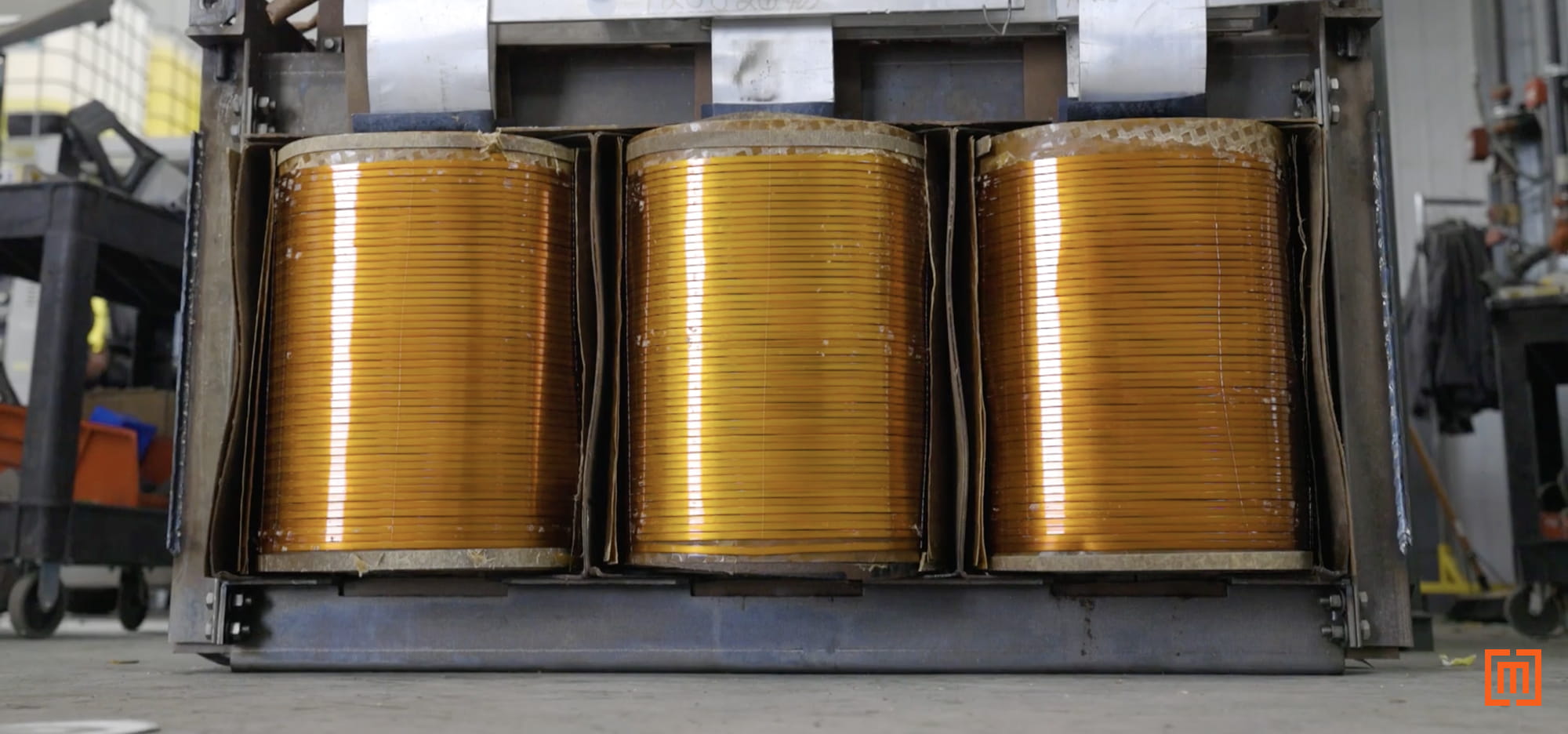
copper windings

Life Expectancy

Lastly, let’s look at lifespan. 

In short, a distribution transformer’s lifespan has more to do with its insulation than its windings. At this point in time, there hasn’t been any conclusive evidence showing copper‑wound distribution transformers outlast aluminum‑wound units in comparable commercial or industrial applications.
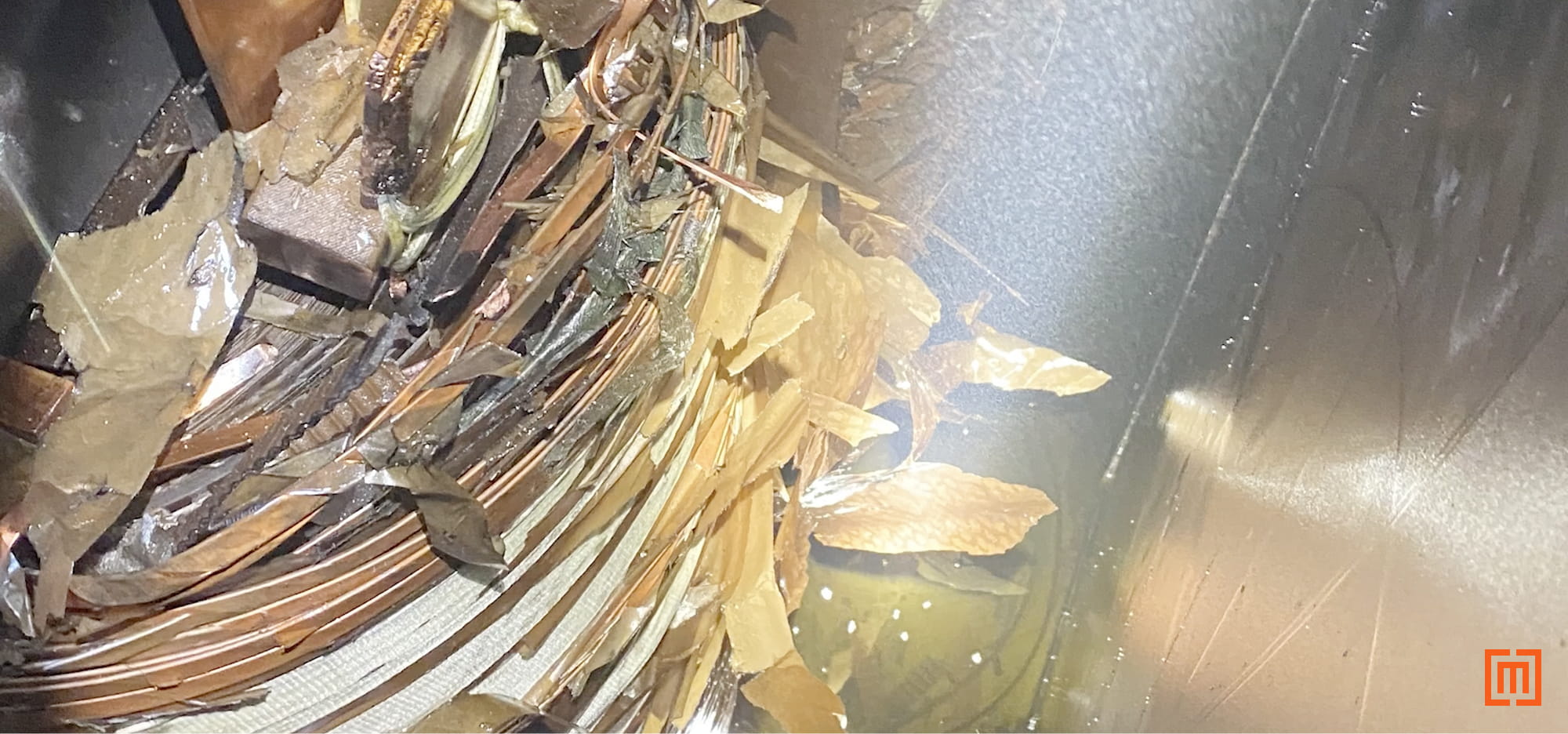
transformer insulation

Could you pair a copper primary with an aluminum secondary?

If you’re looking for the advantages of copper windings without the higher cost and longer lead times, you might want to consider pairing a copper primary with an aluminum secondary. 

While these units aren’t often requested in the transformer industry, they’re certainly possible. Putting copper windings on the primary side is ideal since that’s usually the side with more strain–mostly from inrush current

While this specialized combination is possible, the choice between copper and aluminum windings usually comes down to practicality.

Conclusion

At the end of the day, choosing between copper and aluminum windings comes down to preference. Not necessarily performance. 

Copper is still a valid choice. In fact, in some applications, it may be the better choice. 

But modern aluminum‑wound distribution transformers are comparable to copper in terms of efficiency. They also have a lower and more predictable cost. They weigh less. And they’re widely available. For most commercial and industrial projects, aluminum is not a downgrade. It’s simply the most practical solution.

At Maddox, we carry both copper and aluminum distribution transformers in stock. While we usually encourage aluminum windings due to cost, we carry copper-wound units for when they make more sense. 

If you’re in need of a transformer, fill out the form below. We’re here to get you the right transformer for your project right on time. 

Written by:
Matt Estelle, Ben Gulick, and Mac Spiller
A Maddox Padmount transformer loaded on a truck and shipping out

Get in touch

Find out how Maddox can power on your next project.
Thank you!
Your submission has been received!
Oops! Something went wrong while submitting the form.
All Articles

Aluminum vs. Copper Windings in Distribution Transformers

Aluminum windings have become the preferred choice in the transformer industry. Learn how they compare to copper windings, and where each type might make more sense.

Written by:
Matt Estelle, Ben Gulick, and Mac Spiller

November 1, 2022

aluminum and copper wound transformers

For decades, copper was considered the default option for transformer windings. But for the past thirty years now, aluminum has become the dominant choice. This isn’t by accident. Modern aluminum‑wound distribution transformers have proven to be just as reliable, efficient, and durable as their copper counterparts in real‑world service.

That doesn’t mean copper is the wrong choice. In fact, in certain applications, copper makes more sense. For power class substation transformers, copper is the go-to option. But for most commercial and industrial padmount, dry-type, and substation transformers, aluminum is not a compromise. It’s usually more practical. 

Comparing Copper and Aluminum Windings

In this article, we’ll compare aluminum and copper windings across seven practical factors:

  • Efficiency
  • Size and Weight 
  • Cost
  • Tensile Strength
  • Manufacturing and Connections
  • Oxidation
  • Life Expectancy

We’ll see where copper still makes sense, and where aluminum does just as well.

Let’s get into it.

Material Efficiency Size and Weight Cost Strength Manufacturing and Connections Life Expectancy
Copper Higher Heavier and slightly smaller coils $$ Higher tensile strength Usually brazed connections, slight conductivity loss No direct effect on lifespan
Aluminum Lower* Lighter and slightly larger coils $ Lower tensile strength Usually welded connections, no conductivity lost No direct effect on lifespan
*Aluminum transformers are required by DOE to have the same efficiency standards as copper units.

Efficiency

Efficiency is one of the biggest considerations when choosing transformer winding material.

All modern distribution transformers, whether copper or aluminum, are built to meet the same DOE efficiency standards. For example, a 500 kVA 3-phase liquid-filled padmount is required by law to be built to a 99.35% efficiency rating, regardless of the winding material. 

Aluminum’s conductivity is only about 60% that of copper. Manufacturers compensate for this by increasing the size of the aluminum conductors, which brings aluminum’s energy losses in line with those of copper.

Copper is sometimes used when the goal is to exceed DOE efficiency or meet strict loss targets. However, because the current DOE 2016 standard has established efficiency levels for transformers under 2,500 kVA, units with either winding type will have similar efficiency levels. 

copper and aluminum conductors

Size and Weight

Next, let’s examine size and weight. 

Coil Size

If you are replacing an older unit, chances are a newer unit with the same ratings will be bigger. This is largely due to the current DOE efficiency requirements published in 2010. In a retrofit situation where space is tight, copper windings may help due to their smaller size. Reducing the overall size of the coils could allow some reduction in the tank footprint too. This would be a highly custom option. But, paying a bit more for a custom unit may save you the cost of completely changing everything in your setup.

Tank Size

Most manufacturers standardize their enclosures. So, ordering copper windings doesn’t mean your transformer will be smaller by default. It is common practice to use the same enclosure for both copper and aluminum. If you are looking to shrink your unit’s footprint, make sure you let your vendor know. A custom enclosure may be needed.

Weight Considerations

Despite having the same coil size, aluminum and copper differ significantly in weight. Copper’s higher density makes copper‑wound transformers roughly 20% heavier than aluminum units. And if your transformer is on a rooftop or elevated platform, that extra weight can mean extra costs or considerations for structural support. 

However, if size is a higher priority than weight for a specific project, a copper-wound unit may be a better option. 

transformer aluminum sheets

Cost

Next, let’s look at costs–both up-front and operational. 

Copper’s raw material cost is significantly higher and far more volatile than aluminum. This usually means that copper‑wound transformers can cost 2-3 times more than aluminum‑wound units. If a customer is buying multiple transformers for multiple projects, that up-front cost difference adds up quickly. 

graphic of aluminum and copper prices

However, the higher efficiency of copper windings could save on operating costs in the long run. If a transformer was designed with efficiency levels above the DOE standard, the long-term operating cost savings could be significant. However, we estimate it would take years to break even on the initial cost difference. Both factors have to be considered. 

graphic of aluminum and copper long term operating costs

Tensile Strength

Tensile strength is a material’s resistance to being pulled apart. Basically, how tough it is. Copper's high tensile strength makes it ideal for big transformers. 

Why? 

Larger power transformers see higher inrush currents and short-circuit forces.  These high current forces will cause some movement in the windings. For this reason, copper is the best choice for larger power transformers. The copper coils of these larger units are usually wound in a circular disc design. The disc design reinforces the coils against strong short circuit forces. Aluminum has to take a back seat to copper here, every time.

But, most smaller padmounts and substations don't use disc coils. They use rectangular designs with sheet-wound low voltage coils. Additionally, the high voltage windings are layered on top of these sheet windings. 

This rectangular design helps reduce short-circuit forces at the windings. The mechanical stress gets spread across the entire surface of the winding. In turn, this minimizes the role of the conductor’s tensile strength. However, this design becomes impractical at larger transformer ratings.

But, it's the ideal option in the distribution space. Most commercial and industrial three-phase applications below 5MVA use rectangular designs. In this arena, copper and aluminum are on the same playing field. 

Manufacturing and Connections

Aluminum is softer and easier to handle due to its greater malleability. It also tends to have an easier time adhering to the thermoset insulation coating between windings.

Welding copper calls for higher temperatures, so connections are often brazed. However, brazing connections can slightly reduce conductivity at the joint. Aluminum connections, on the other hand, are typically welded. This produces strong, consistent joints with no conductivity loss.

brazed copper and welded aluminum connections

Oxidation

Next, let’s look at oxidation. 

Both copper and aluminum undergo oxidation. However, these metals don't oxidize in the same way. Unlike copper, aluminum oxide forms a protective coating around the bare conductor. This prevents further oxidation from happening. 

People usually list oxidation as a reason not to use aluminum transformers. The claim is that the coating disrupts the connection between the lug and the cable. But, while this is a frequent issue for electrical contractors using aluminum cables for wiring in buildings, this isn’t an issue inside transformers. 

In liquid-filled transformers, the connections are sealed in a dielectric fluid. This eliminates any chance of disruption between the cables and their connections.

copper windings

Life Expectancy

Lastly, let’s look at lifespan. 

In short, a distribution transformer’s lifespan has more to do with its insulation than its windings. At this point in time, there hasn’t been any conclusive evidence showing copper‑wound distribution transformers outlast aluminum‑wound units in comparable commercial or industrial applications.

transformer insulation

Could you pair a copper primary with an aluminum secondary?

If you’re looking for the advantages of copper windings without the higher cost and longer lead times, you might want to consider pairing a copper primary with an aluminum secondary. 

While these units aren’t often requested in the transformer industry, they’re certainly possible. Putting copper windings on the primary side is ideal since that’s usually the side with more strain–mostly from inrush current

While this specialized combination is possible, the choice between copper and aluminum windings usually comes down to practicality.

Conclusion

At the end of the day, choosing between copper and aluminum windings comes down to preference. Not necessarily performance. 

Copper is still a valid choice. In fact, in some applications, it may be the better choice. 

But modern aluminum‑wound distribution transformers are comparable to copper in terms of efficiency. They also have a lower and more predictable cost. They weigh less. And they’re widely available. For most commercial and industrial projects, aluminum is not a downgrade. It’s simply the most practical solution.

At Maddox, we carry both copper and aluminum distribution transformers in stock. While we usually encourage aluminum windings due to cost, we carry copper-wound units for when they make more sense. 

If you’re in need of a transformer, fill out the form below. We’re here to get you the right transformer for your project right on time. 

A Maddox Padmount transformer loaded on a truck and shipping out

Get in touch

Find out how Maddox can power on your next project.
Thank you!
Your submission has been received!
Oops! Something went wrong while submitting the form.